Six Tips on What To Do After First Hard Frost
/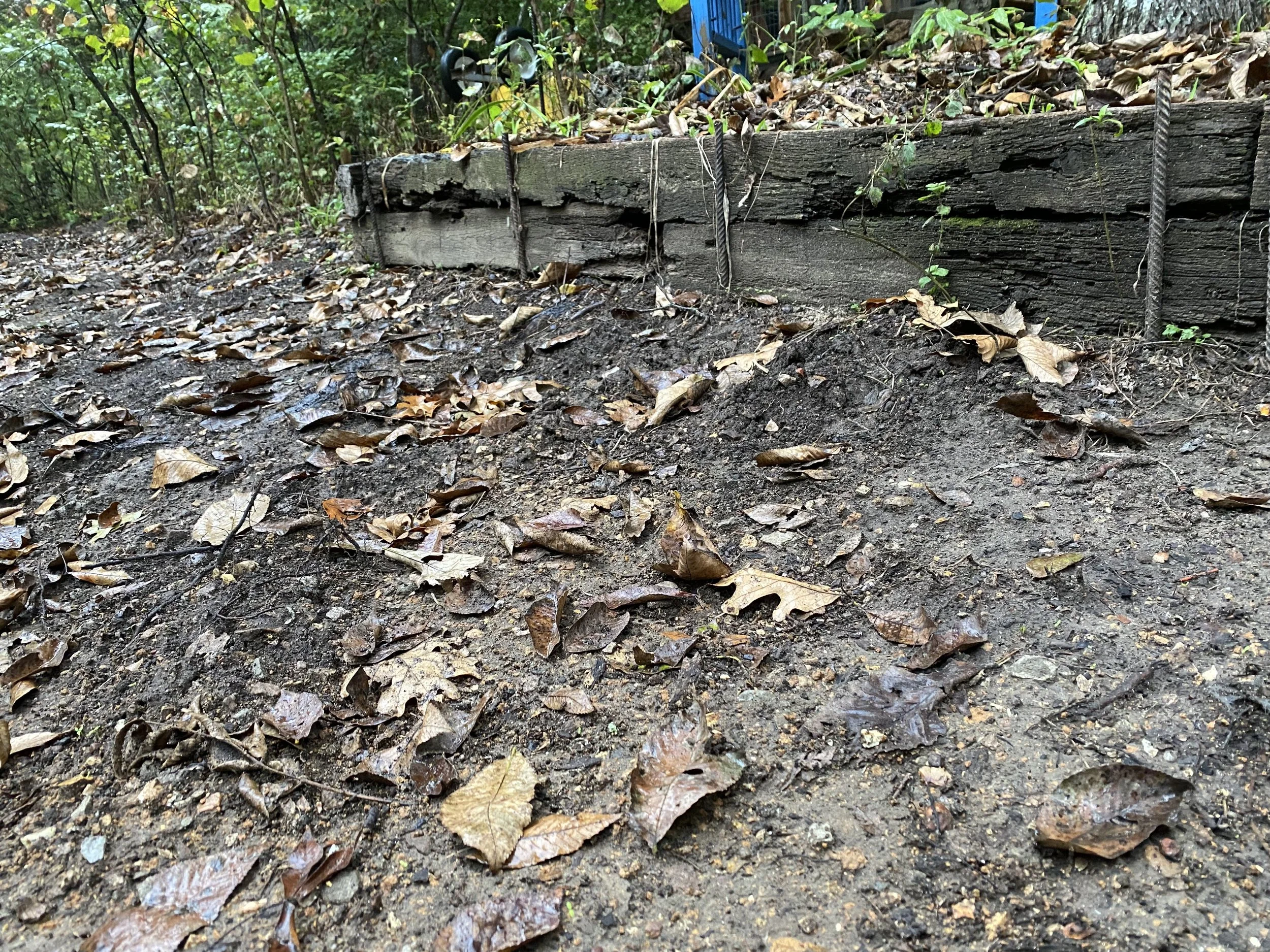
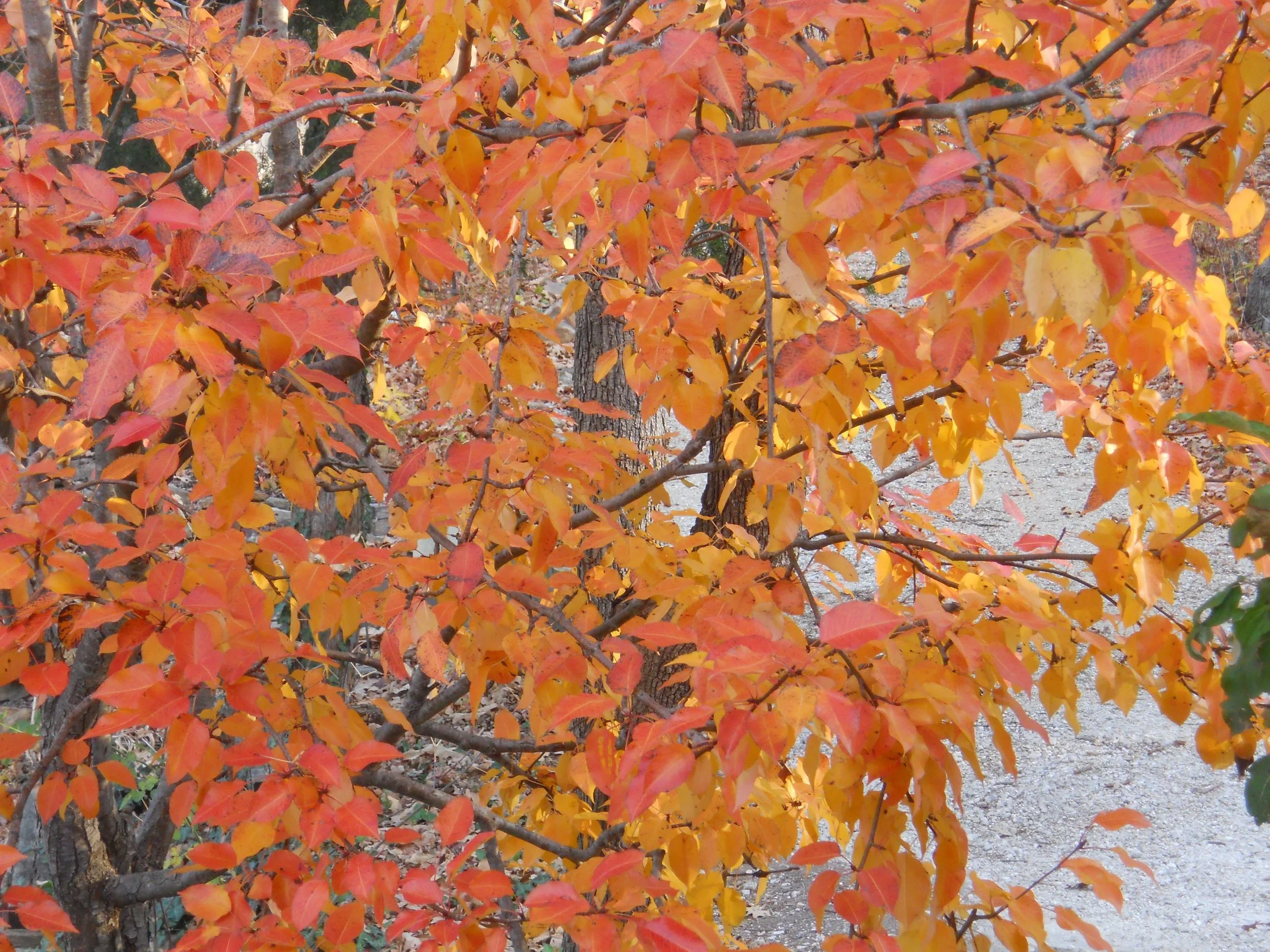
FAll leaves are delivered straight to your garden for mulch. (charlotte ekker wiggins photo)
Six Tips on What To Do After First Hard Frost
It's definitely late this year; the first hard frost of the season, with evening temperatures hovering around 30F, was forecast but didn't materialize. Yet. Not to be confused with a frozen ground, which includes a hard frost over several days along with other factors. In zone 6b where I live, the ground stays plantable usually until January.
So what are the special gardening considerations after we finally do get the first hard frost?
1. Don't rush to cut everything down!
Frost-damaged foliage may look terrible, but not everything needs to be removed. Leave healthy perennial stems and seed heads standing for overwintering insects, birds, and wildlife. Remove diseased plant material and collapsing vegetation where it creates problems.
2. Leave those leaves!
Use fallen leaves, especially oak ones, to insulate perennial beds, protect soil organisms, and provide overwintering habitat for beneficial insects. A loose layer is ideal; shredded leaves are the best. Avoid burying evergreen crowns under thick, wet, matted leaves. If you have too many leaves, shred excess leaves for compost.
3. Wait before declaring a plant dead.
A hard frost may kill tender annuals outright, but hardy perennials can look dead aboveground while their roots remain perfectly healthy. Don't dig them up! Wait until spring to assess survival. And avoid pruning frost-damaged woody plants until you can see what survived.
4. Give thirsty plants one last drink.
If the soil is dry, water newly planted trees, shrubs, evergreens, and perennials before the ground freezes. Plants still need moisture going into winter, especially evergreens. Water the soil, not frozen foliage, and skip watering if the ground is already adequately moist.
5. Harvest, clean up, and protect your garden investments.
Collect remaining tender vegetables and herbs, empty hoses and irrigation equipment, and protect outdoor faucets. Move frost-sensitive containers into shelter. Terra-cotta and ceramic pots can crack when saturated soil freezes, so empty or protect vulnerable containers.
6. Plan on resting.
Your garden is powering down, so should you. The next season will start back up again as soon as you're ready to start planning.
For more tips on gardening, beekeeping, cooking and easy home decor, subscribe to my weekly Garden Notes.
Charlotte