Snow and Ice Good for Gardens
/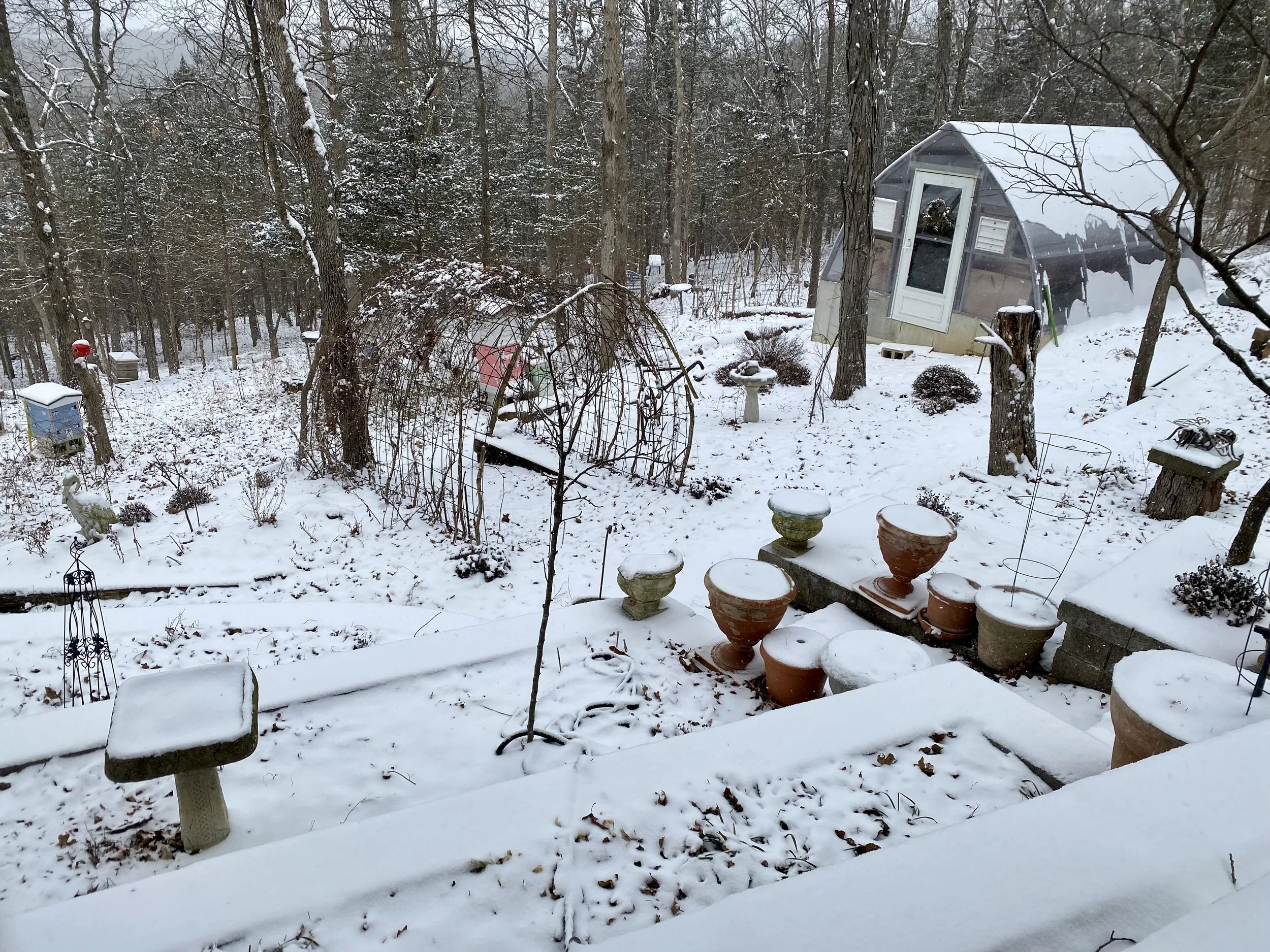
Shredded leaves and snow insulate my north garden. (charlotte ekker wiggins photo)
Snow and Ice Good for Gardens
When snow piles up and ice coats the world, it’s easy to see winter as a season that pauses the garden. In reality, snow and cold are doing some of the most important work of the entire year, work we could never replicate by hand.
Snow is a Garden's Best Winter Blanket
A good layer of snow acts like insulation. It traps air, keeping soil temperatures more stable and protecting plant roots from extreme cold snaps. That steady cold prevents repeated freeze and thaw cycles, which can heave plants right out of the ground. Under snow, perennial crowns, bulbs, and even soil microbes are safely tucked in, waiting for spring.
Ice and Snow Improve Soil Health
As snow slowly melts, it delivers moisture deep into the soil profile instead of running off the surface like heavy rain often does. This gentle infiltration rehydrates soil organisms, supports earthworms, and helps reduce soil compaction. Winter precipitation is one of the reasons spring soil feels “alive.”
Cold is Essential for Many Native Plants
Many native trees, shrubs, wildflowers, and medicinal plants require cold stratification to germinate. Seeds of milkweed, purple coneflower, bee balm, redbud, serviceberry, and countless others need weeks, sometimes months, of cold, moist conditions to break dormancy. When we let nature handle stratification, germination is often stronger and more reliable. Let's face it, refrigerators are for our food not for seeds needing cold exposure.
Winter Feeds Future Pollinators
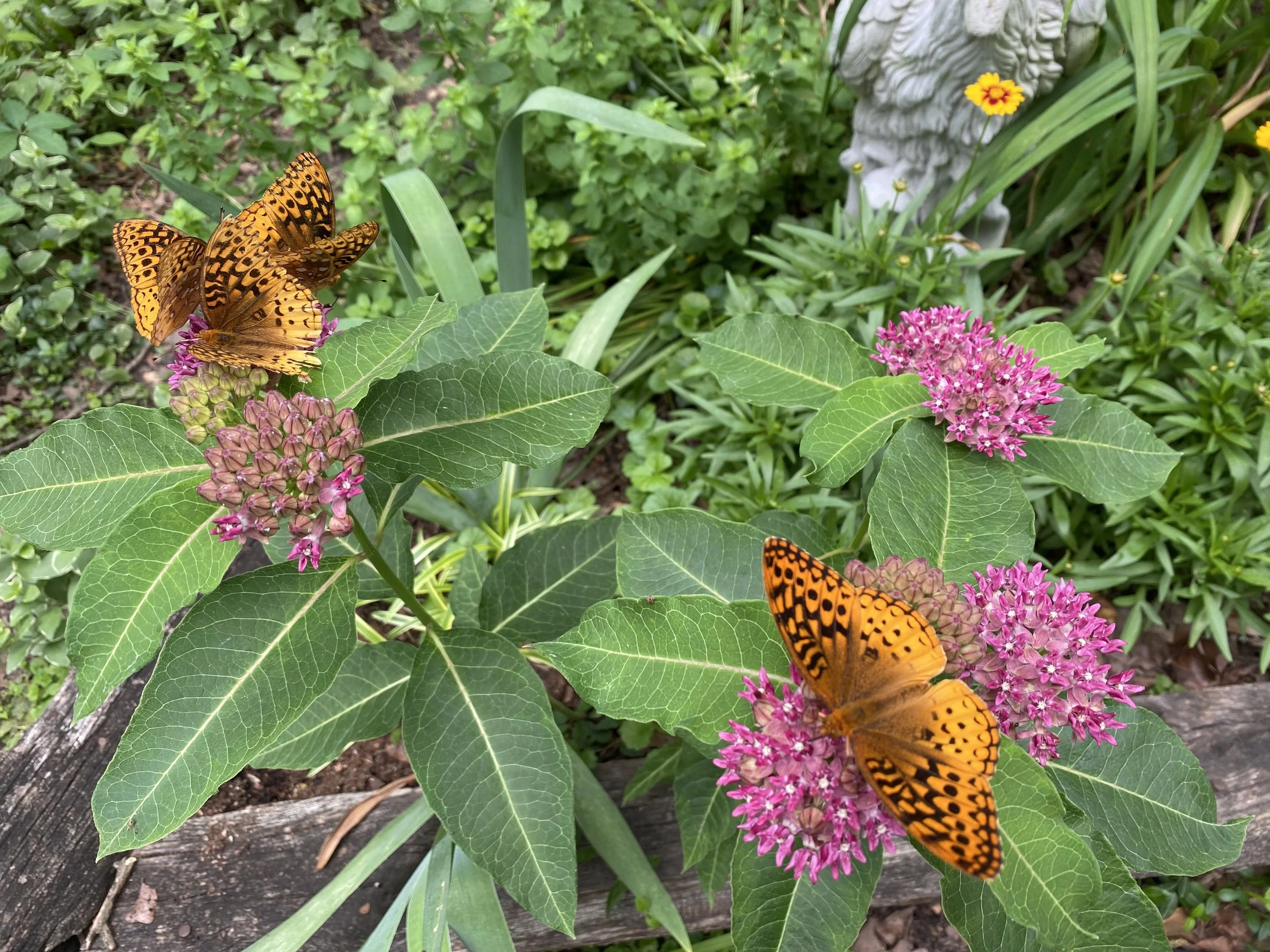
By protecting soil structure and supporting native plant cycles, snow and ice indirectly support bees, butterflies, and other pollinators. Healthy spring blooms start with a properly chilled winter.
A quick winter safety note: kinder ways to deal with ice
While we’re appreciating winter’s benefits, icy walkways still need attention:
Cracked corn is an excellent alternative to rock salt. It adds traction, won’t burn plant roots, won’t harm pets, and won’t contaminate soil or waterways. And wildlife will take care of clean up.
Sand or fine gravel improves grip without damaging surrounding vegetation.
Calcium magnesium acetate (CMA) is safer for plants and concrete than traditional salt, though best used sparingly.
Avoid sodium chloride whenever possible—it damages soil structure, kills beneficial microbes, and weakens nearby trees and shrubs over time.
A little forethought keeps people upright and protects the garden we’ll rely on come spring.
Summary
Winter isn’t the absence of gardening—it’s preparation. Every snowfall is part of the long conversation between soil, plants, and pollinators. Let it do its work.
Stay warm, walk carefully, and trust the process.
For more gardening, beekeeping, cooking and easy home decor tips, subscribe to Garden Notes, my free weekly newsletter.