Winter Flowers

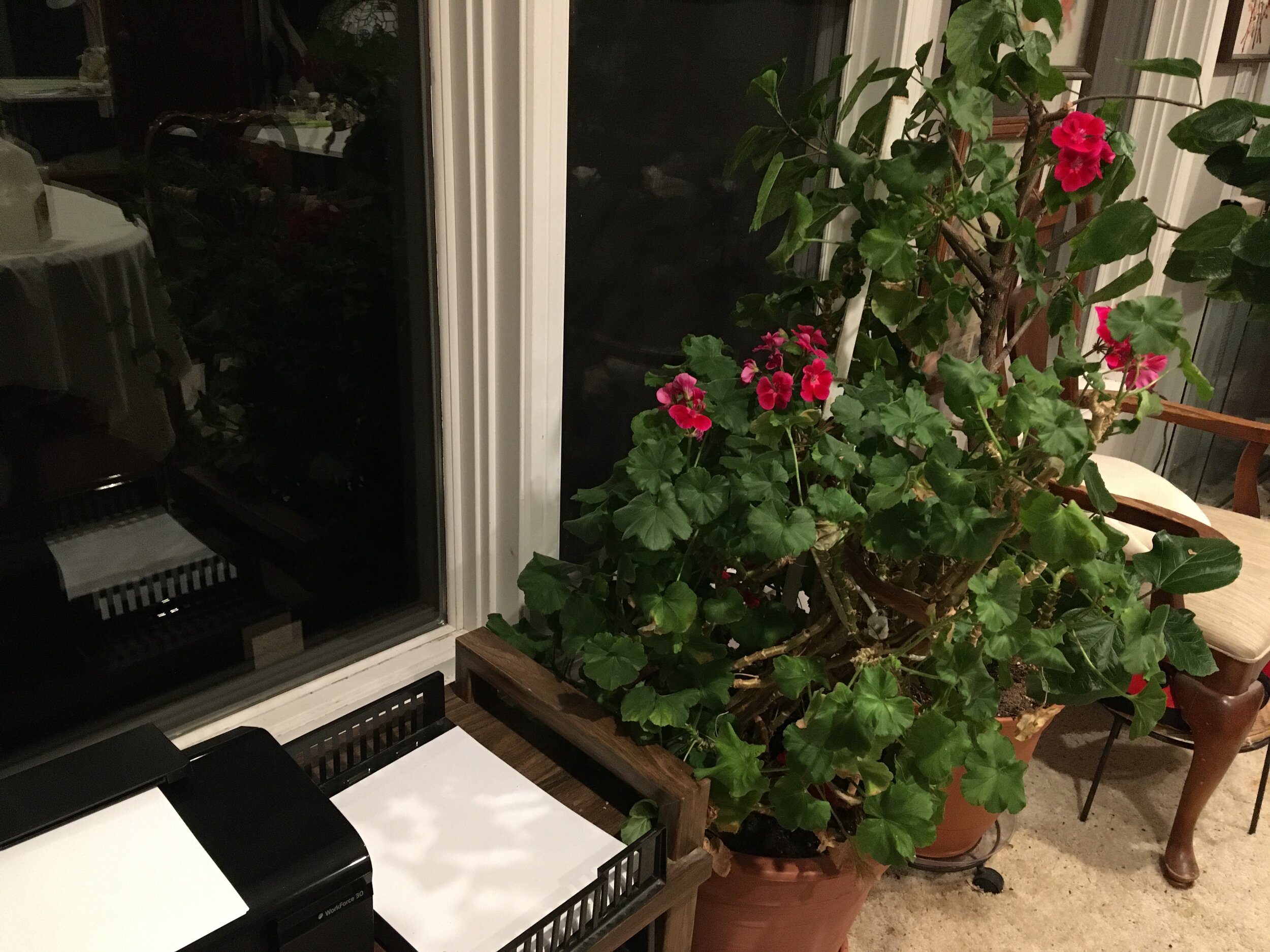
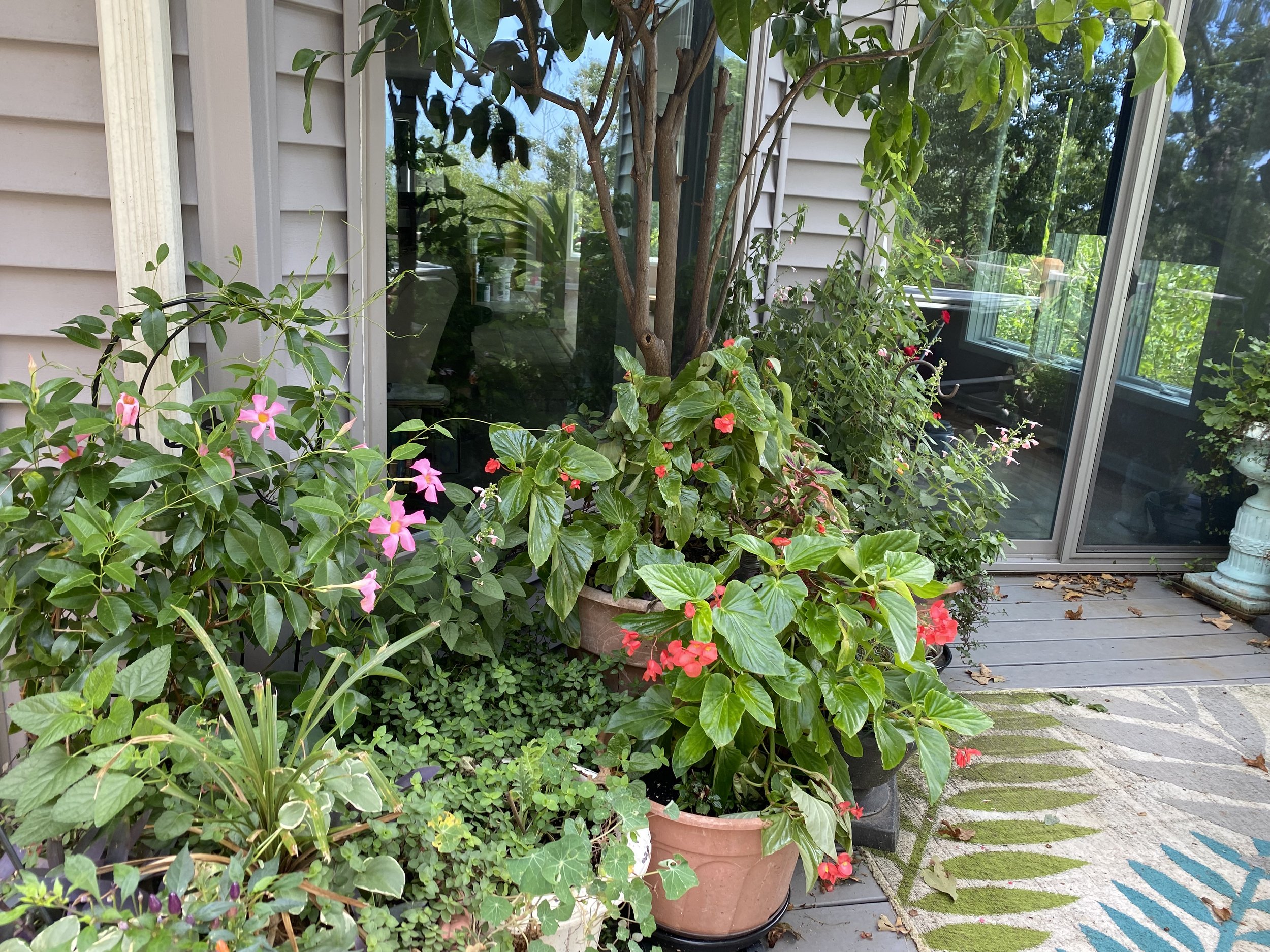
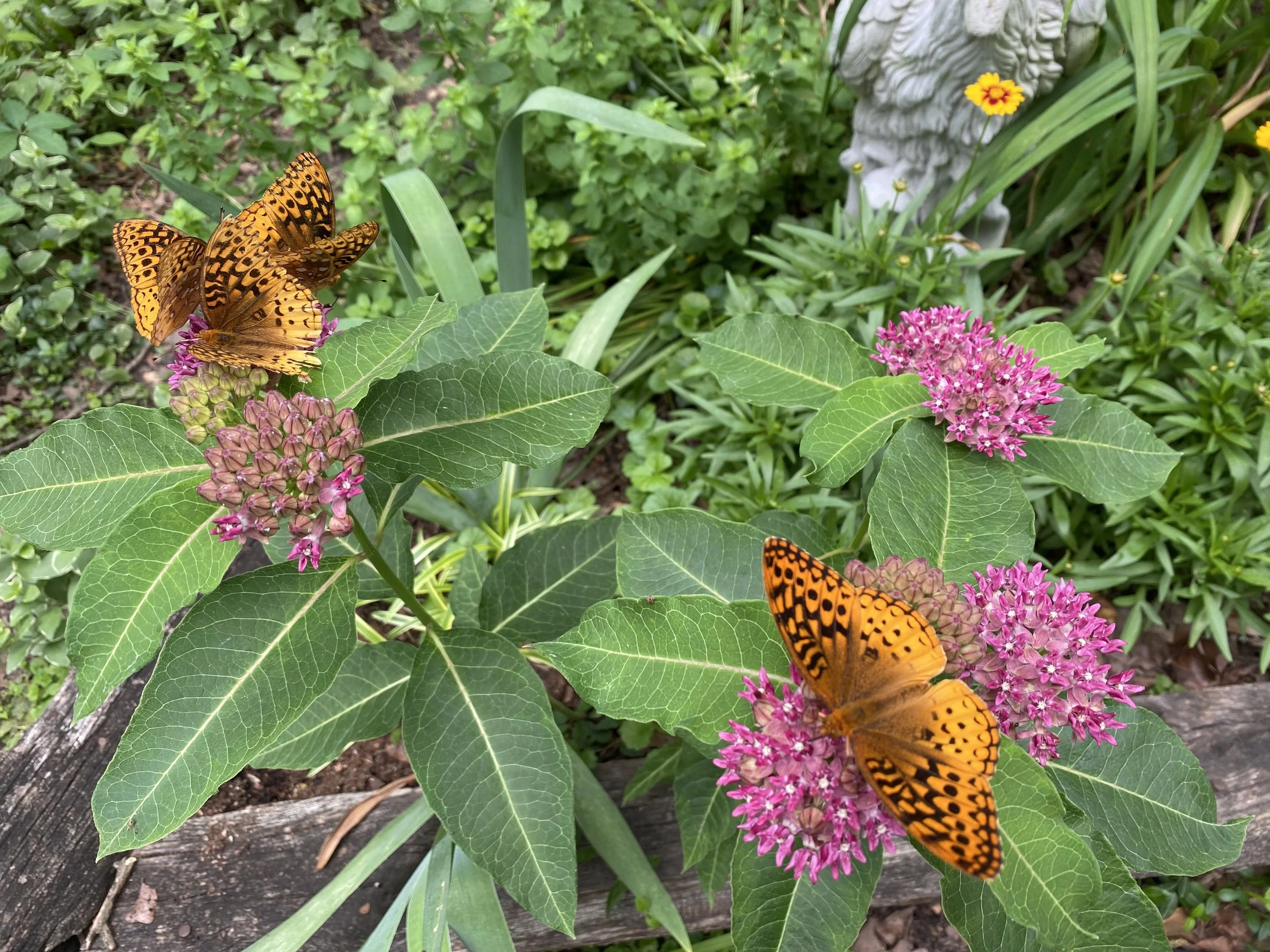
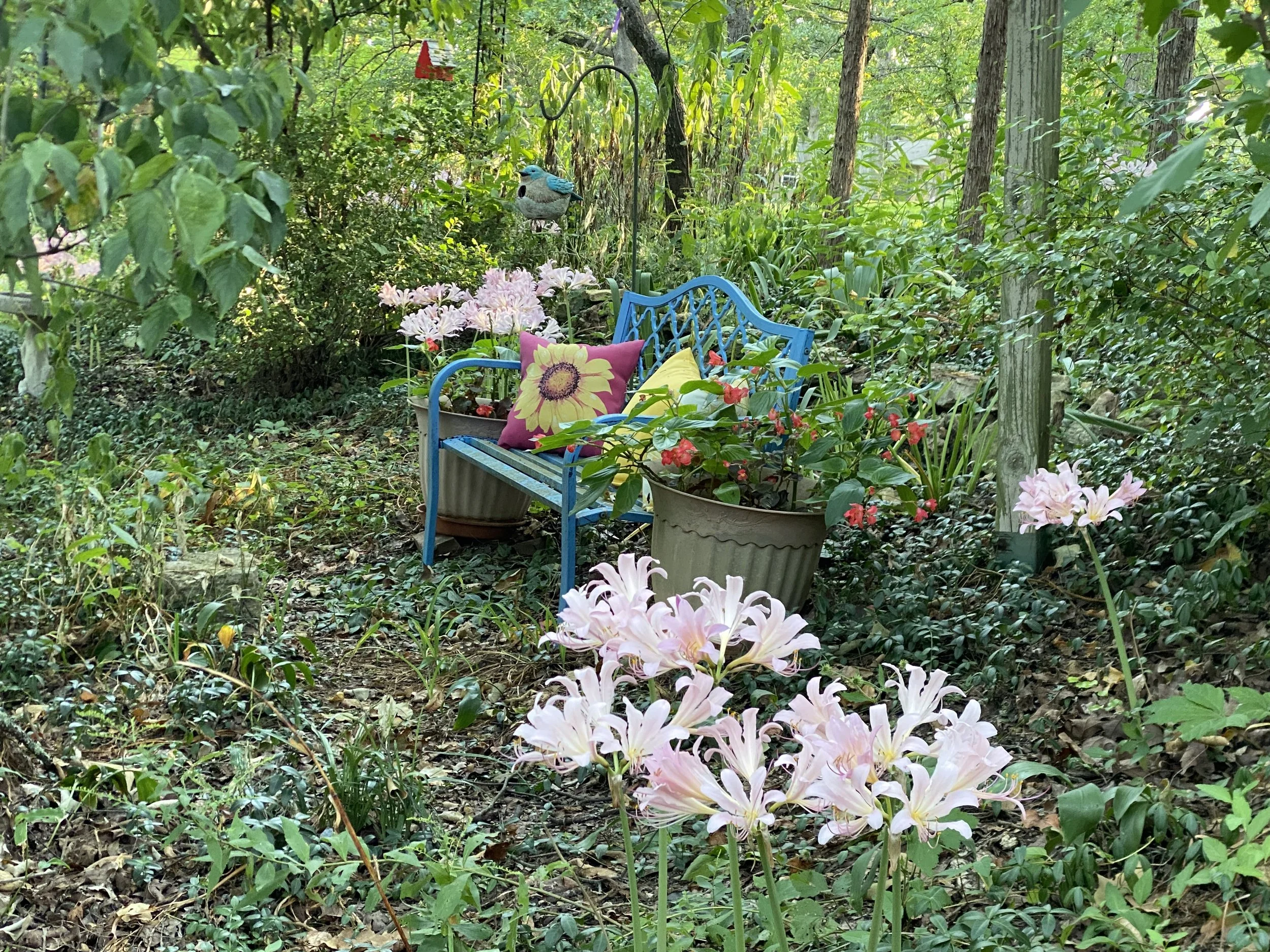
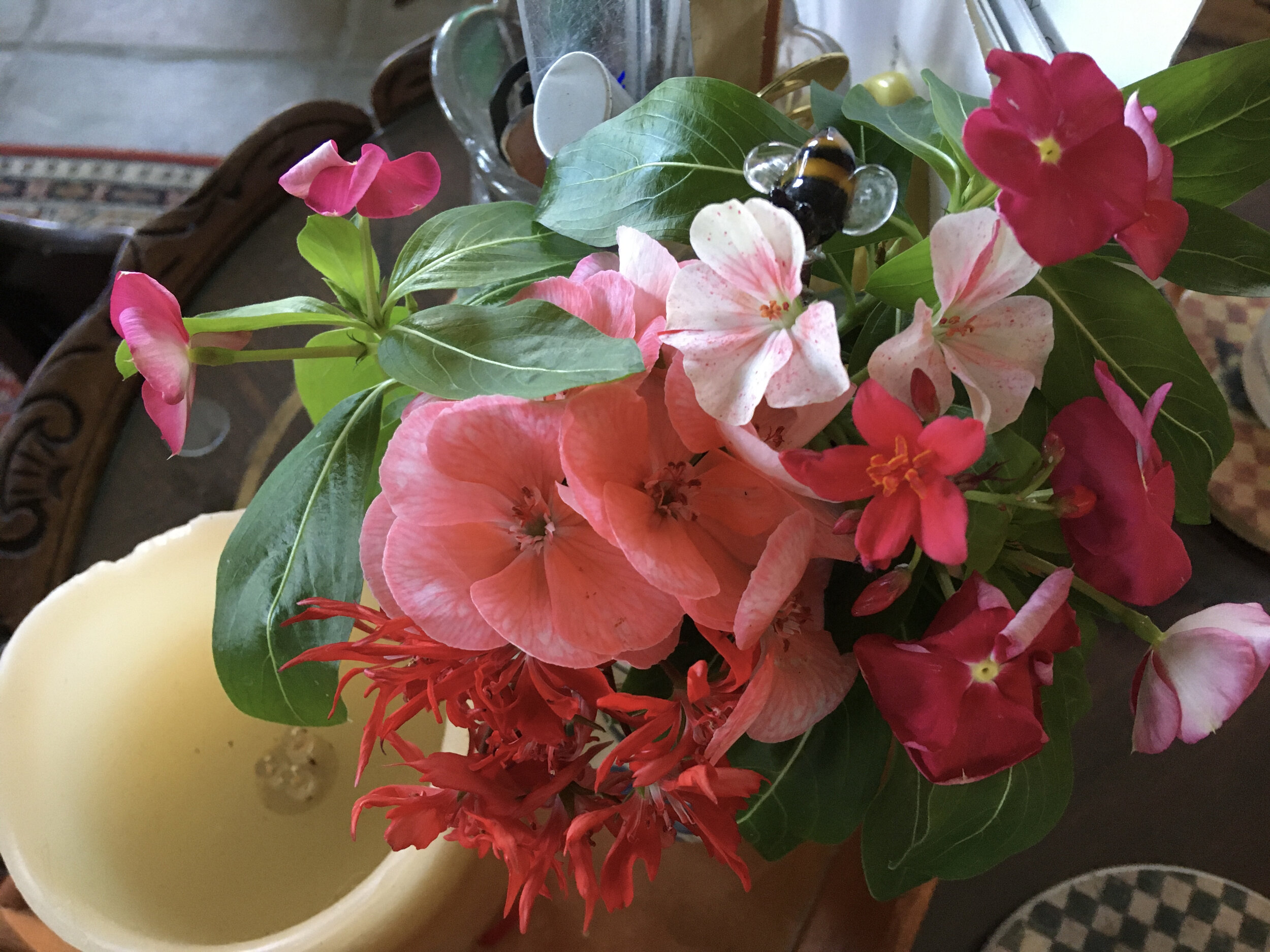
Do you recognize these flowers? They are favorite summer bloomers. (Photo by Charlotte Ekker Wiggins)

Do you recognize these flowers? They are favorite summer bloomers. (Photo by Charlotte Ekker Wiggins)

Winter Flowers

There are many exotic plants that bloom over winter to give us flowers - moth orchids, Poinsettias and Amaryllis bulbs, even African violets. But you can also have a little bouquet of flowers if keep these two plants in pots inside: geraniums and vinca.

Both considered annuals where I live in mid-Missouri, these hardy plants are good bloomers through summer and fall outside. By the time the first frost hits our area, people tend to toss out the vinca and maybe store geranium roots in brown bags.

I bring both inside in pots and make sure they have a good amount of sunshine in southern windows. Over the years, these have been my continuously-blooming flowers through winter, giving me enough color to make small bouquets.
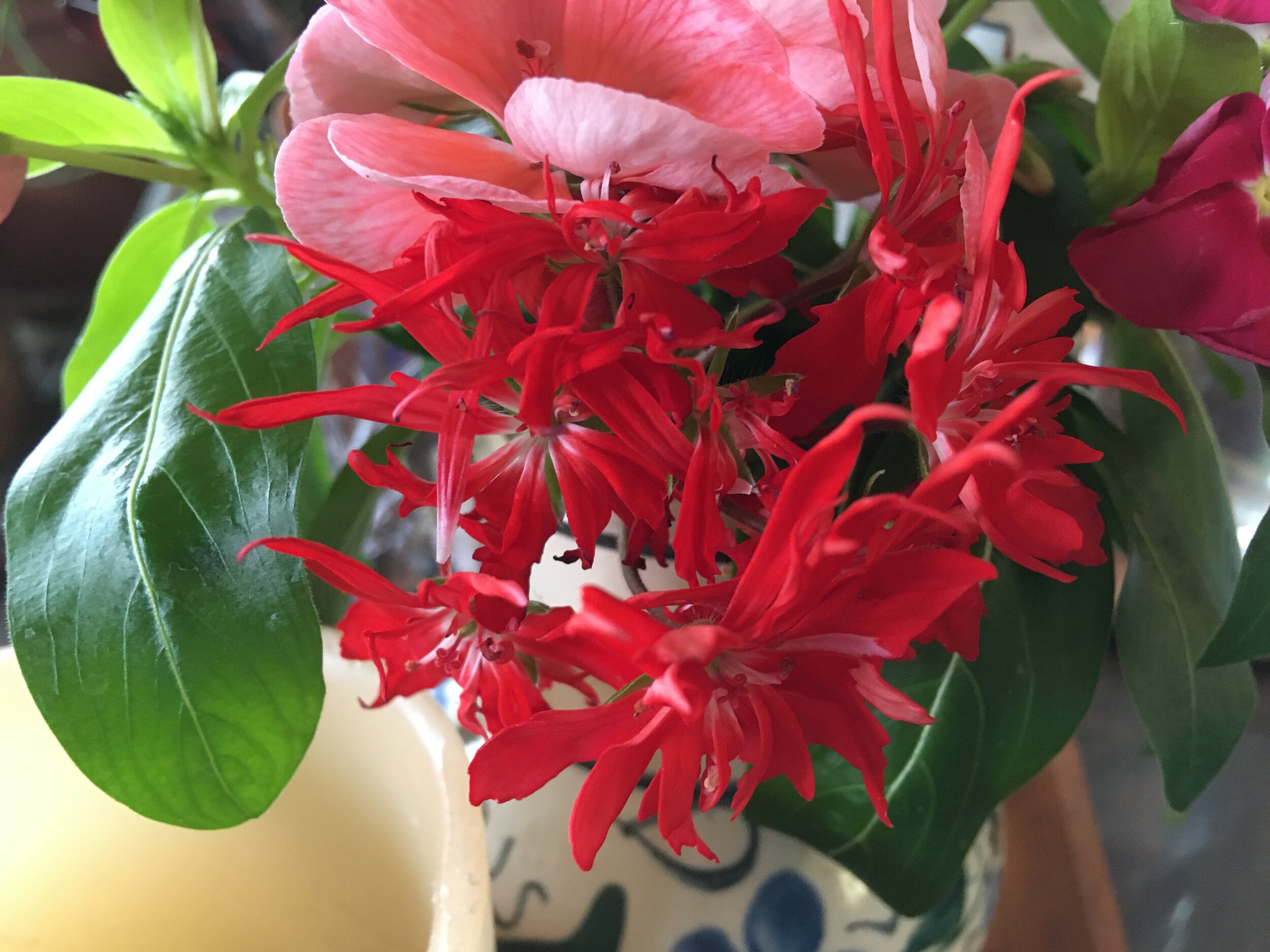
This red geranium adds interest contrast to the thicker traditional geranium petals, (Photo by Charlotte Ekker Wiggins)

This red geranium adds interest contrast to the thicker traditional geranium petals, (Photo by Charlotte Ekker Wiggins)

Studies show that flowers contribute to our sense of happiness and well being. Having even a little bouquet through winter is a good pick me up and can be a thoughtful gift in the middle of a cold spell.
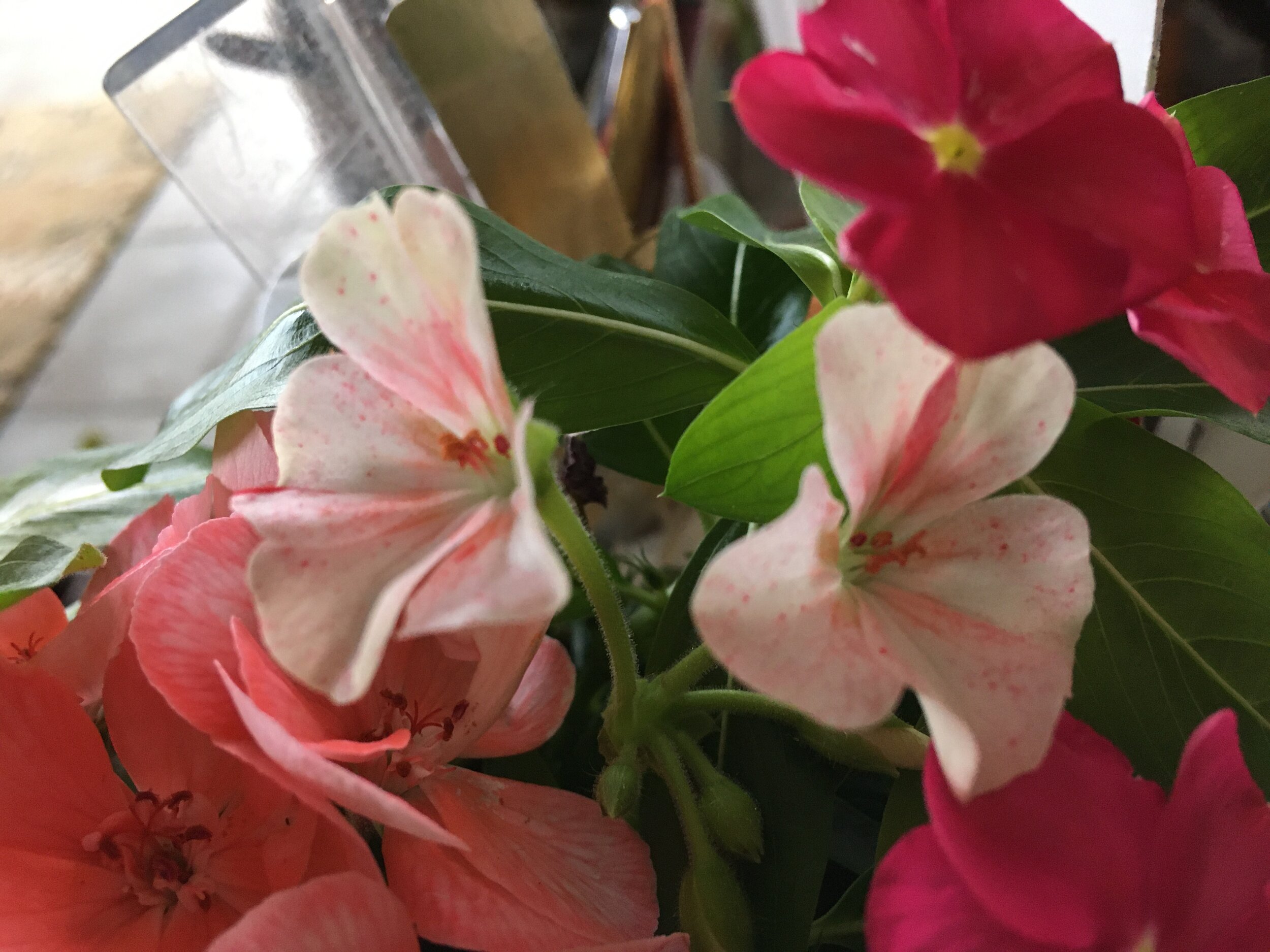
These are a new geranium now starting to bloom. (Photo by Charlotte Ekker Wiggins)

These are a new geranium now starting to bloom. (Photo by Charlotte Ekker Wiggins)

This light pink geranium was a 25 cent purchase at the end of the season at one of our home and garden centers. I didn’t know what color it was but I knew the geraniums grow well for me potted inside.
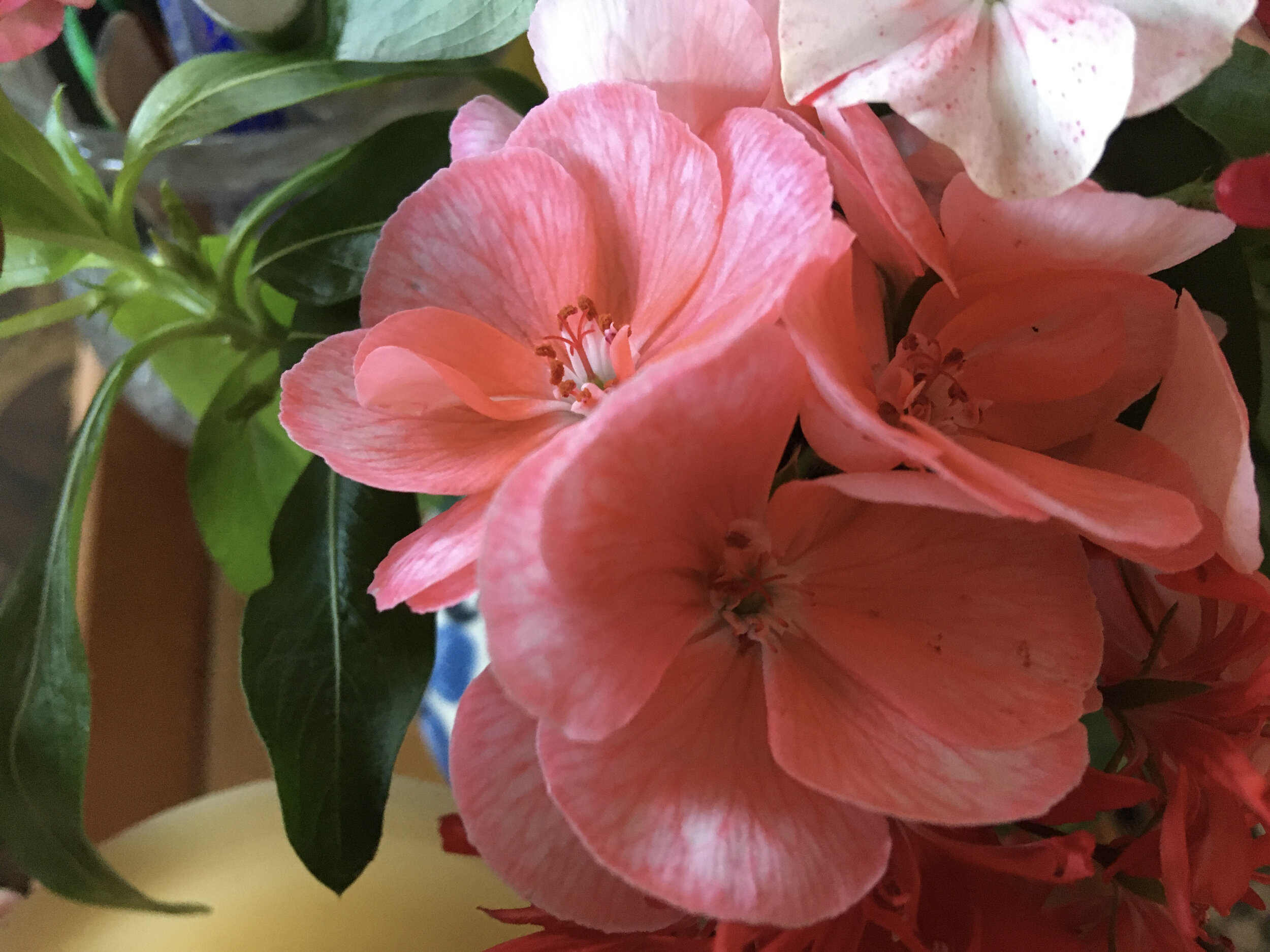
These peach geraniums bloomed continuously earlier this summer. (Photo by Charlotte Ekker Wiggins)

These peach geraniums bloomed continuously earlier this summer. (Photo by Charlotte Ekker Wiggins)

Geraniums are available during the growing season in a wide range of colors from white to variegated. They are also used in both hanging baskets as well as containers making them quite versatile.

I have a gorgeous dark pink one that is setting buds in my office but not currently in bloom. i’ve had that geranium for more than 8 years. I give it new soil every fall so that it has a good boost to bloom through winter.

Pink vincas also bloom well inside over winter. (Photo by Charlotte Ekker Wiggins)

Pink vincas also bloom well inside over winter. (Photo by Charlotte Ekker Wiggins)

ere’s another surprise. The popular vincas will also grow well potted inside. These hot pink ones have been wintering over with me for several years.

Come spring, they get repotted in fresh soil and spend the summer outside on my deck.

So next time you have some favorite annuals in pots, bring them inside and give them the right light. You may also enjoy flowers all four seasons year around!

Charlotte

Best Leaf Mulch

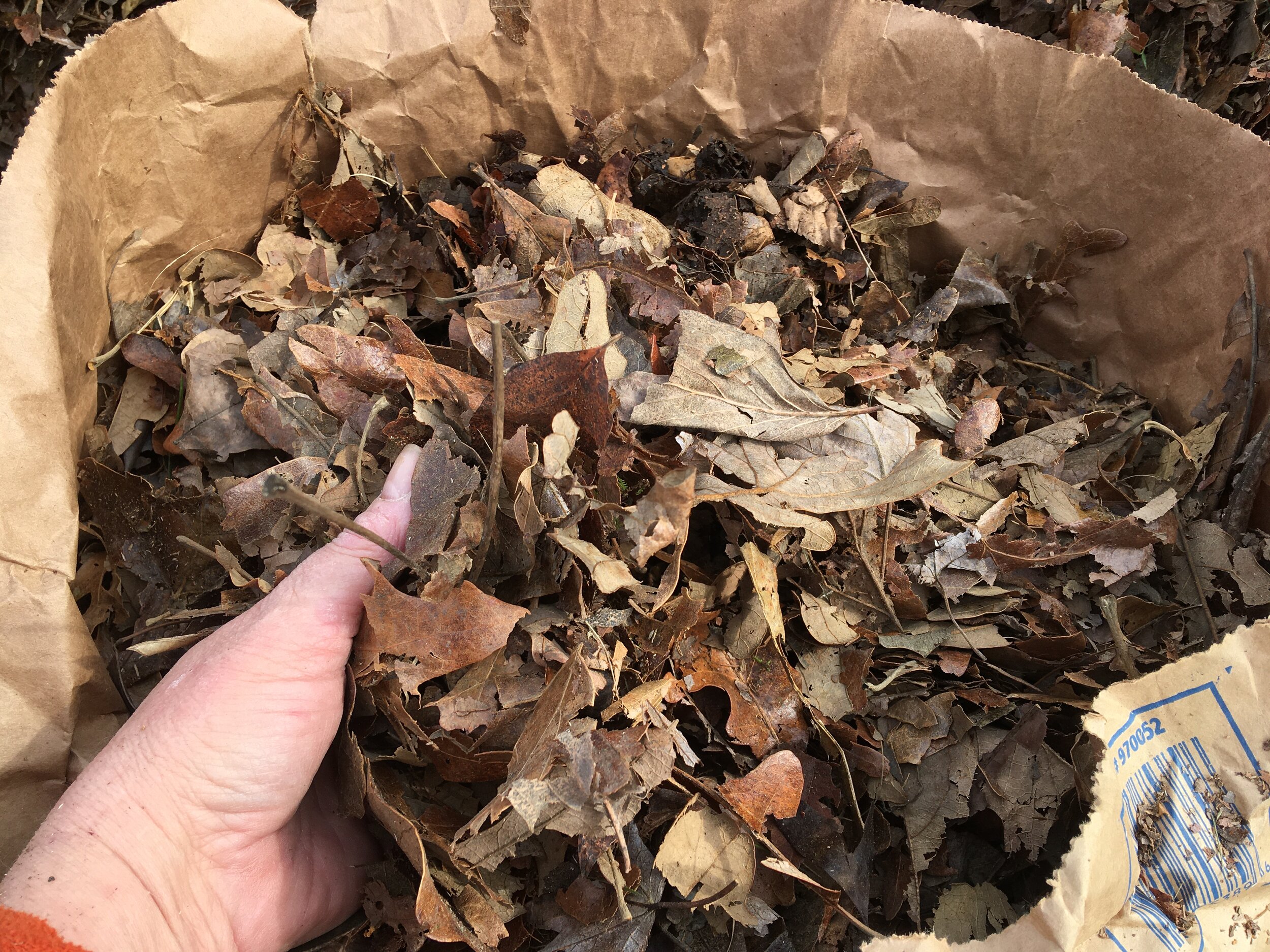
Shredded leaves make excellent mulch and growing medium. (Photo by Charlotte Ekker Wiggins)

Shredded leaves make excellent mulch and growing medium. (Photo by Charlotte Ekker Wiggins)

Best Leaf Mulch

Over the years I have become very particular about the leaves I use for fall mulching. My favorite combination are the leaves ground up by lawn mowers and turned into small pieces.

I can usually find those shredded leaves in bags people haul to our local recycling center. Not every bag will work. Some have tiny pieces of grass mixed in. Others include small twigs and even seed pods. Nothing wrong with those additives for recycling but for my flower beds I want just the shredded fall leaves.

Some shredded leaves without anything else mixed in. (Photo by Charlotte Ekker Wiggins)

Some shredded leaves without anything else mixed in. (Photo by Charlotte Ekker Wiggins)

On warm fall days, I will look for a pile of dumped shredded leaves and fill brown bags full or the shredded leaf goodness.

Be careful, the dust of the leaves can get into your lungs if you get too close.

Here’s what one of the larger piles of dumped shredded leaves looks like. The taller pile makes it easier to fill brown bags.

Be still my heart, a pile of shredded leaves waiting for me at our local recycling center. (Photo by Charlotte Ekker Wiggins)

Be still my heart, a pile of shredded leaves waiting for me at our local recycling center. (Photo by Charlotte Ekker Wiggins)

Besides working as mulch, which keeps the soil temperature around plant roots from thawing and heaving, shredded leaves make an excellent planting medium in spring. By then the leaves have started to decompose and some plant roots will find their way into the decomposing leaves for nutrition and ease of growth.

In fall, i will cover roses, newly-planted perennials such as mums and any trees I may add with shredded leaves. The leaves will provide the new plants with protection as they settle into their new growing spots.

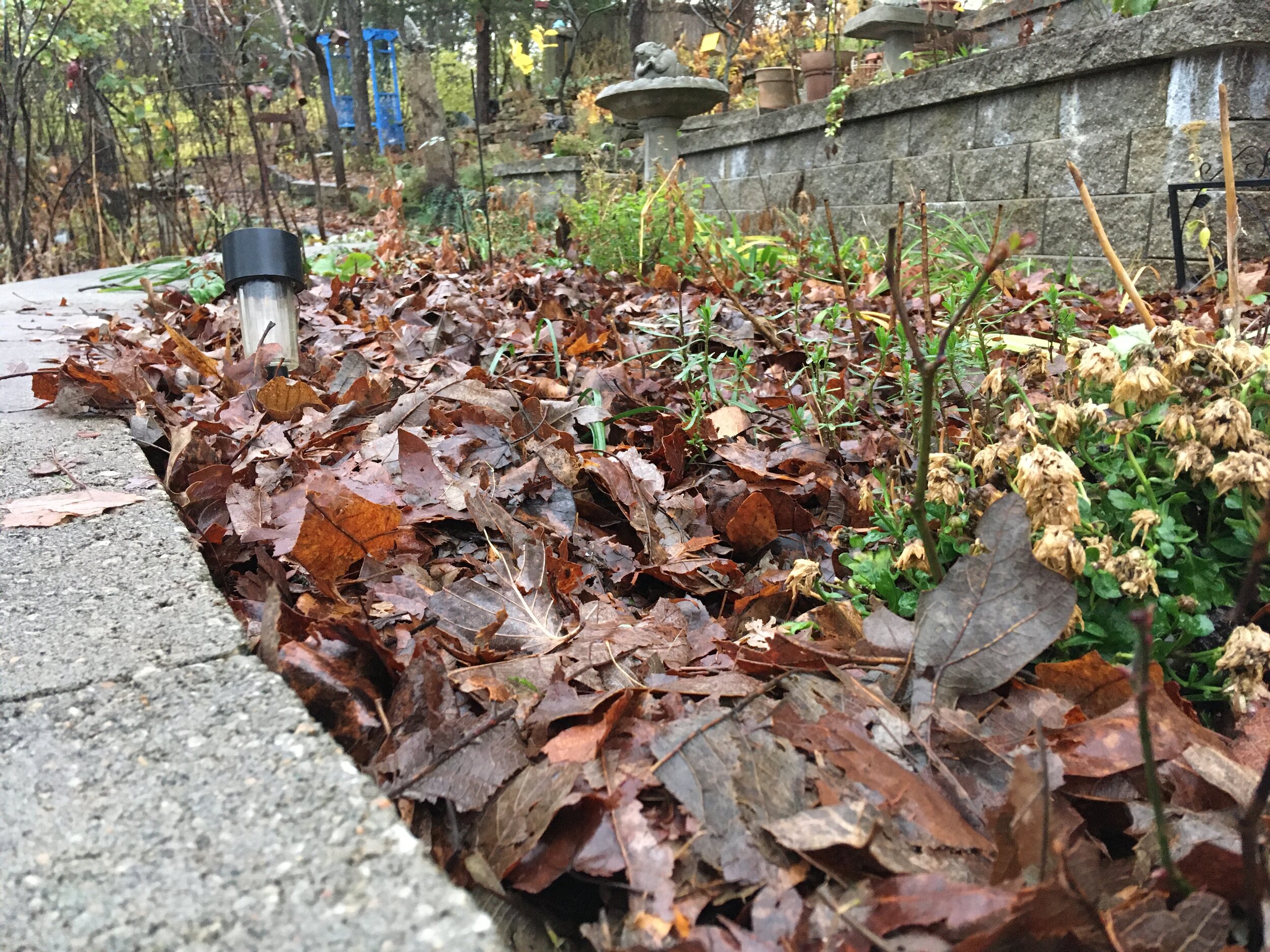
I also use shredded leaves to protect my hillside flower beds. Winter winds can dry out plants; by covering them with shredded leaves, they not only get protection from changing temperatures but also from damaging winds.

Shredded leaves return organic matter to soil, feeding the microscopic creatures that live there. (Photo by Charlotte Ekker Wiggins)

Shredded leaves return organic matter to soil, feeding the microscopic creatures that live there. (Photo by Charlotte Ekker Wiggins)

One more reminder about the role of leaves in our garden. There are many beneficial garden residents that winter over in leaves from gnats and spiders to butterflies, moths and salamanders.

I will continue to haul shredded leaves back to my garden until it’s too cold to spread them, and I can hardly wait to see how the garden will grow next year!

Charlotte

Coleus Flowers

These lovely blue flowers are among not often seen flowering coleus. (Photo by Charlotte Ekker Wiggins)
These lovely blue flowers are among not often seen flowering coleus. (Photo by Charlotte Ekker Wiggins)

Coleus Flowers

Most people recognize these plants when they see them. The general family of coleus plants features a wide range of colors and shapes, all provided by the varied leaves of this annual plant.

One of the features not often seen are coleus flowers. Once the plant blooms and goes to seed, the plant tends to not grow as vigorously. Many people pinch off the flowers to help extend the vigor and life of this easy and hardy summer gardening staple.

True blue flowers are rare in gardens so i was delighted to see that these inherited coleus flowers were indeed blue. Coupled with their colorful leaves, the blue flowers were a pretty combination.

Gardeners tend to select coleus more for their leaf color and shape than flower color. The leaves have a variety of shapes as well as color combinations.

There’s a wide range of coleus with different leaf shapes and colors. (Photo by Charlotte Ekker Wiggins)

There’s a wide range of coleus with different leaf shapes and colors. (Photo by Charlotte Ekker Wiggins)
In addition to interesting green leaves, coleus can also have other strong leaf shapes and color combinations, very similar to the range of mixed fabrics that can be found in handmade quilts like a Flower Garden Quilt. . Here are a couple of coleus plants now wintering over inside my house in a shade pot.

At least two different coleus wintering over in one of my shade pots. (Photo by Charlotte Ekker Wiggins)

At least two different coleus wintering over in one of my shade pots. (Photo by Charlotte Ekker Wiggins)

Growing outside, coleus provide a pop of color through the summer growing season usually in a shady spot.

Right now they are adding nice unexpected color inside in my living room.

Coleus plants blooming inside in my living room window. (Photo by Charlotte Ekker Wiggins)

Coleus plants blooming inside in my living room window. (Photo by Charlotte Ekker Wiggins)

Coleus can easily be grown from both seeds and from cuttings rooted in water.

My goal is to see if I can get these potted coleus to make it through winter inside so they have an earlier start in next year’s growing season.

Charlotte

November Gardening Tips

Dry leaves are a gardener’s best friend, excellent for composting and harboring good insects. (Photo by Charlotte Ekker Wiggins)

Dry leaves are a gardener’s best friend, excellent for composting and harboring good insects. (Photo by Charlotte Ekker Wiggins)

November Gardening Tips

We’re welcoming November this year with a couple of weeks of warm weather as opposed to the nippy cold rainy days we’ve had for the past two weeks. The raw weather brought us almost 3 inches of welcome rain but I still have some plants to get in the ground in USDA Hardiness 5.

i did get all of my plants inside to winter over. Now that they are all settled inside, I am still moving potted plants around to give them optimum light conditions. My heat is on so leaves are dropping, especially the ferns.

Tree leaves have also been making their way onto flower beds for mulch and a layer that hopefully decomposes into soil over the next few years. I will be adding wood chips from our local recycling center after the first hard frost.

If you want to plant shrubs and move trees, this is a good time. I prefer planting into final spots in spring so my seedlings are now in pots and heeled into the nursery garden bed. That will give me all winter to decide on their final destination.

Love my honey-colored hardy mums currently in bloom. (Photo by Charlotte Ekker Wiggins)

Love my honey-colored hardy mums currently in bloom. (Photo by Charlotte Ekker Wiggins)

It’s been very dry so remember to water. An inch a week is a good measure, especially for woody plants, such as azaleas and evergreens. When watering, check for damaged branches and remove. Once winter ice moves in, the ice will cause more damage than necessary on those weak and damaged limbs. I take pruners with me so I can also trim out suckers and branches that are too long, especially along where I regularly walk. No point in putting that off until later when the ground is covered in ice and snow.

If you haven’t done so already, this is a good time to empty most of your composters. Most likely candidates to get the new rich soil amendment include asparagus and strawberry beds.  I also added compost to my deck pots to get them ready for my next crops. I still have red onions growing so I may scatter some lettuce and spinach seeds.

Still need to mound my rose crowns with 6 inches of soil or so before the first frost. I have mounds of mulch already piled nearby to scatter on the plants after I add a layer of leaf mulch for extra insulation.

Have grass to mow? You should be on the downside of the mowing season. Make the last cut when you see grass has stopped growing. Let clippings lie where they’ve been cut to restore Nitrogen to the soil. Have fun mowing over the leaves to shred and move them to flower beds.

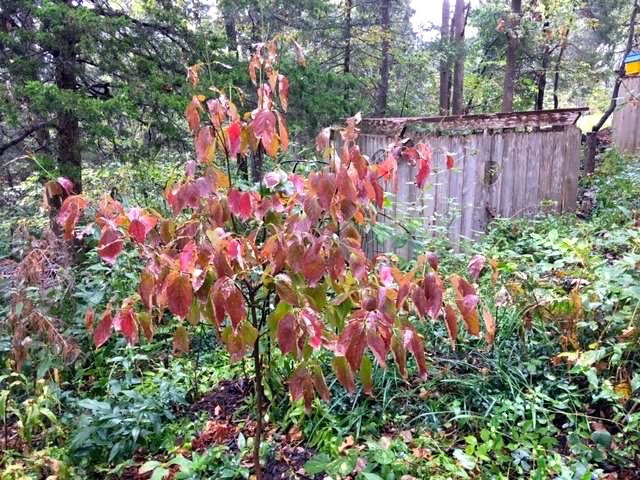
Love the red leaf color native dogwoods add to my hillside. (Photo by Charlotte Ekker Wiggins)

Love the red leaf color native dogwoods add to my hillside. (Photo by Charlotte Ekker Wiggins)

Don’t forget to stop and enjoy the fall colors. Trees, shrubs and some perennials take on a different color in fall, changing gardens into new, sometimes surprising color palettes. Take note of something you like and plant more next year.

Charlotte

Versatile Leaf Bags

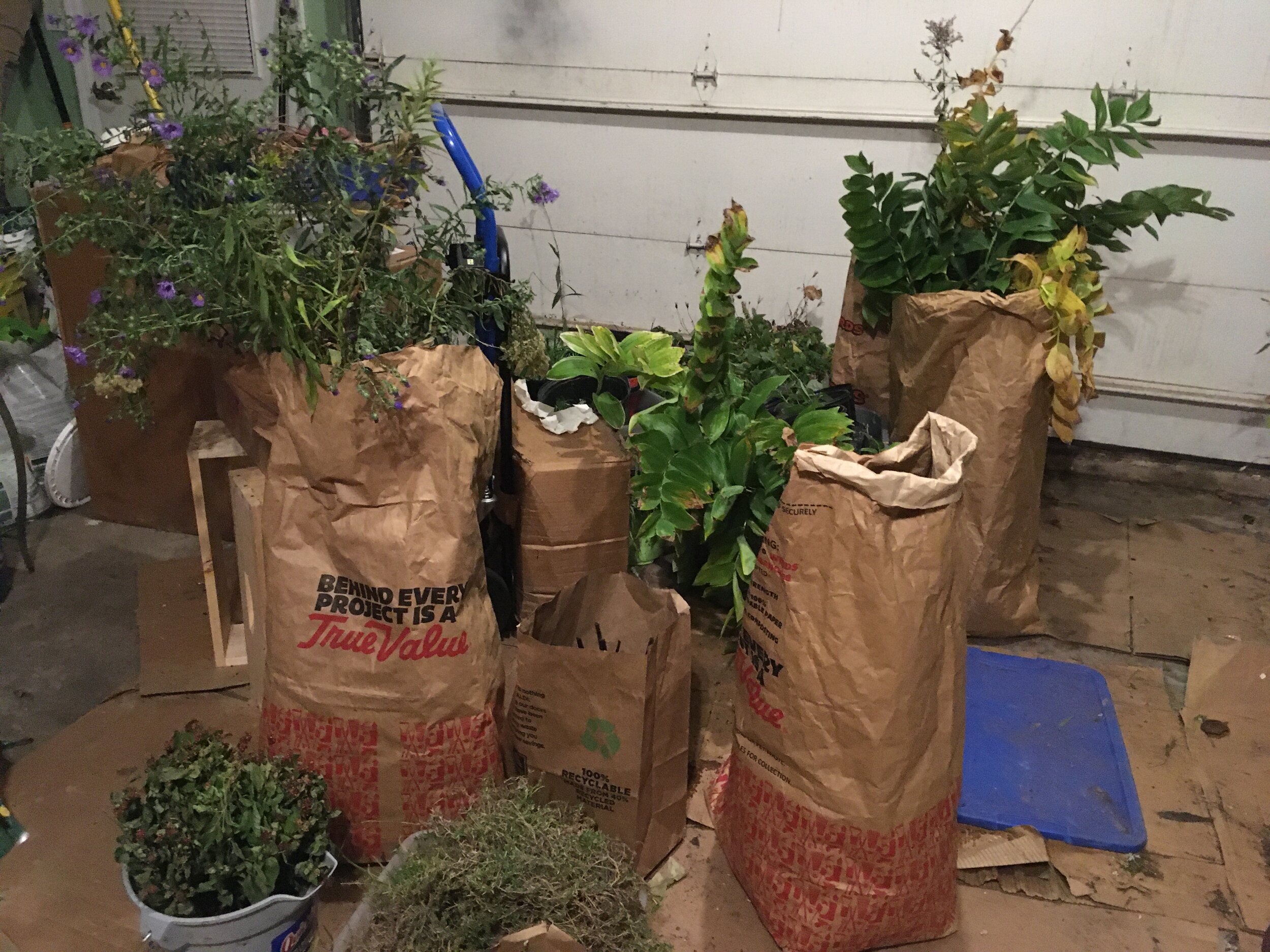
Fall leaf bags are excellent for storing dug up plants. (Photo by Charlotte Ekker Wiggins(

Fall leaf bags are excellent for storing dug up plants. (Photo by Charlotte Ekker Wiggins(

Versatile Leaf Bags

There’s an excellent garden tool usually available in the fall but it’s not for gathering leaves.

Those large tall brown leaf bags make excellent temporary plant storage when you dig up plants. Fall is an excellent time to move peonies and daylilies as long as they have about a month to settle in their roots before a hard frost. Well even if there is a hard frost, they need warm soil for their roots and that can stay warm until January.

Back to the brown bags.

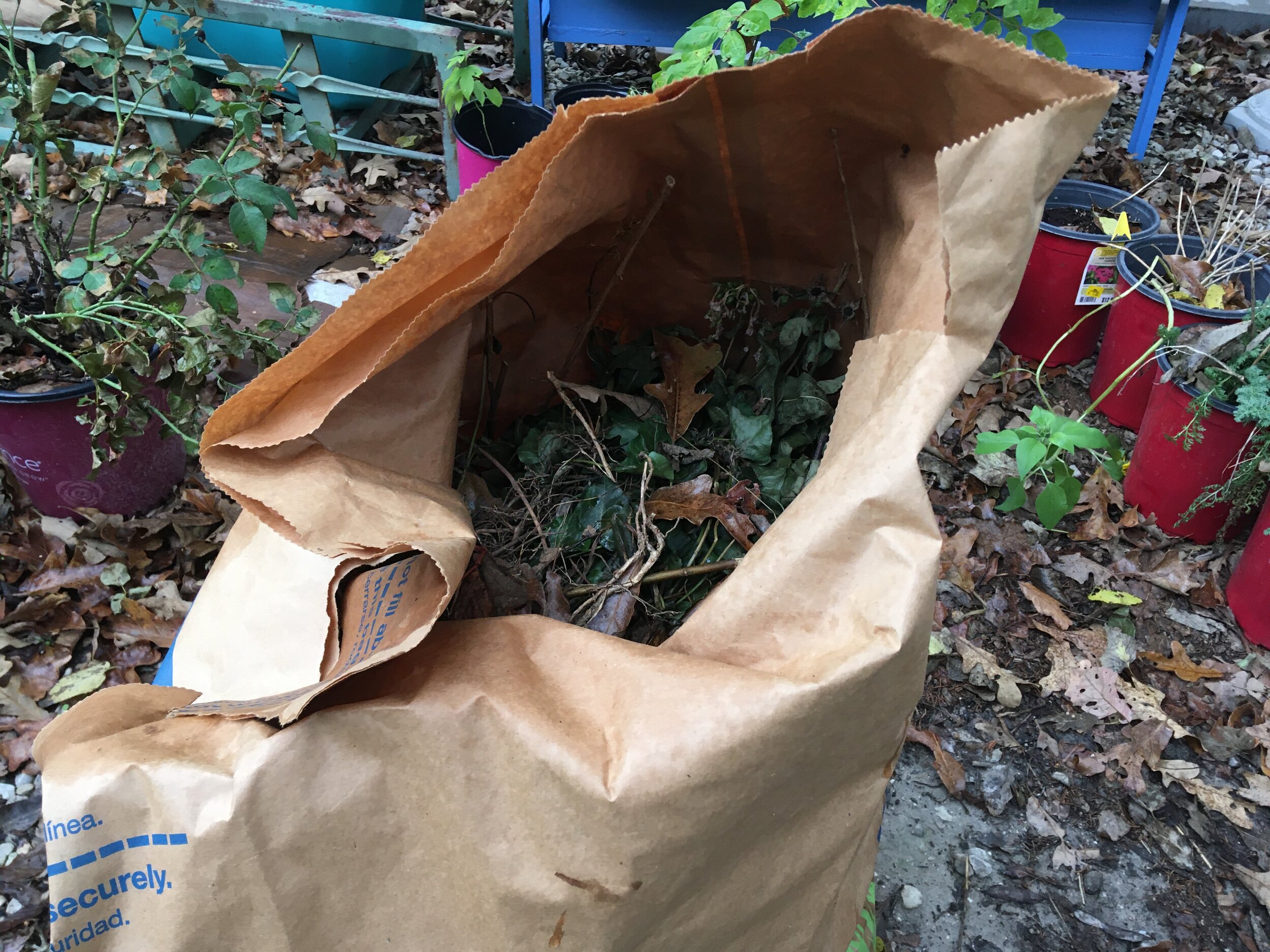
Brown bags can be used to collect compost additions from the garden. (Photo by Charlotte Ekker Wiggins)

Brown bags can be used to collect compost additions from the garden. (Photo by Charlotte Ekker Wiggins)

These brown paper bags are sold for leaf collection and are often used to haul leaf and grass clippings to our local recycling center.

The brown bags not only are double and triple thick but they can also be used to kill off hard to reach grassy areas where cardboard is hard to use. Once down, cover with wood chips to hold them in place.

Brown bags can also store plant trimmings for easy moving to compost piles.

If you are putting something with weight on it, add a piece of cardboard at the bottom to minimize the bags ripping from the weight.

If you happen to use these for leaves, dump the leaves and bring them back home. You can keep using them for many garden uses.

Now I haven’t decided when to introduce one of these to my cats as a cat toy. They love the smaller brown paper bags that hold groceries. What do you think are these too big?

Charlotte

Gardening Shoes

My favorite gardening shoes from Sloggers, comfortable and cute to boot. (Photo by Charlotte Ekker Wiggins)

My favorite gardening shoes from Sloggers, comfortable and cute to boot. (Photo by Charlotte Ekker Wiggins)

Gardening Shoes

If you have large feet like I do with broken little toes, the idea of a pair of cute, fun shoes is just plain out of the question. I feel lucky to find shoes with rounded tips and a width to accommodate my little crooked pinkies without falling off my ankle and often take what I can find regardless of color.

So it was with great delight that I found these gardening shoes from Sloggers. They were surprisingly heavy to the hand but the design and waterproof quality sold me on trying them. They retailed for $29. where I purchased them at a local home and garden center.

Once out in the garden, they are surprisingly comfortable and frankly lightweight. I usually change shoes when going from the garden to a retailer but I often forget I even have these on.

A friend who used to run a garden center said she had one in every color. They are practical for all sorts of soil conditions and garden seasons.

If you are looking for a gift for a gardener, these would be an excellent choice. I bought mine one size larger than the size I wear. If that’s an issue, keep your receipt so the gift recipient can trade them for a better size.

You should be able to find these online from a variety of retailers as well.

Charlotte

Mushroom Compost

Mushroom compost is an easy and inexpensive way to refresh soil. (Photo by Charlotte Ekker Wiggins)

Mushroom compost is an easy and inexpensive way to refresh soil. (Photo by Charlotte Ekker Wiggins)

Mushroom Compost

If there is one product to stockpile over winter it is mushroom compost. Mushroom compost is the easiest way to refresh potted soil and give your indoor plants a mid-winter pick me up without having to repot the plants.

A number of studies are confirming that mycelium, or the underground fungus network that lives in soil, is critical to the health of soil residents including plants.

To keep soil alive and healthy, gardeners feed the soil residents with compost, recycling kitchen scraps back into soil. As I like to say, we are all connected.

Enter mushroom compost, a product I discovered this year with the help of a local garden center. Although I still produce my own compost, I discovered mushroom compost is also handy to easily refresh potted soil.

This geranium has lived in my office for a good 8 years, getting new soil every spring. (Photo by Charlotte Ekker Wiggins)

This geranium has lived in my office for a good 8 years, getting new soil every spring. (Photo by Charlotte Ekker Wiggins)

This lovely geranium was an end of the season purchase a good 7 years or more ago. I moved it to my office so that I could keep it watered over winter and it has never left. I know when the soil needs help when the leaves start to dry up and the plant no longer flowers.

I remove the top 3-4 inches of potted plant soil and replace it with a mix of half new potting soil and 1/4 to half mushroom compost.

I have also just mixed the mushroom compost into the top two inches of existing potted soil and use mushroom compost when I plant shrubs and trees. I want to give those roots a good start.

The started using mushroom compost this summer on my deck plants. The new infusion of fresh soil and fungi compost has given my potted plants a wonderful new lease on life. I am stockpiling a supply for use mid winter. I will also be using mushroom compost in spring when I plant vegetables in pots.

There are a number of granulated products on the market that will do the same thing. These bags, at less than $4 a bag, are not only a good value but easy to store for later use.

Charlotte

October Gardening Tips

Time to enjoy a few more bouquets of cut garden flowers. (Photo by Charlotte Ekker Wiggins)

Time to enjoy a few more bouquets of cut garden flowers. (Photo by Charlotte Ekker Wiggins)

October Gardening Tips

Don’t know what to think yet but I had better get a start getting plants inside. Out of the four seasons in my garden, this is the most challenging. I have to decide which plants come inside to winter over and which ones I have to leave. And I don’t like to leave any of them!

Our weather forecast for USDA zone 5 is calling for an early first frost around October 21 instead of Halloween. The extended winter forecast is for a colder season with little precipitation so mulching will be important after the first frost.

Some of the other good fall gardening tips this time of year include:

1. Pick herbs before they have flowered to capture the full flavor. Wait until after they have flowered and cut the new herb sprouts to dry for later use. Except for basil.

2. Besides harvesting, this is the time to freeze extras for later use.

3. Start pruning and checking for any hitchhikers on plants that are coming inside for winter. To cut down on leaf drop, bring plants in a month before turning on the heat, which is usually early October.

4. For single plants in separate pots, consider combining them, watering well and then bringing them inside. Even if they only last for a couple of months, they will help to extend the growing season.

5. Water. Perennials, established trees, evergreens and azaleas need one inch of water a week. Water into the ground so the water hydrates plant roots. Keep watering until our first hard frost. For our part of the country, that usually around Halloween.

Hardy mums, right, start to bloom and add a dash of fall color. (Photo by Charlotte Ekker Wiggins)

Hardy mums, right, start to bloom and add a dash of fall color. (Photo by Charlotte Ekker Wiggins)

6. Stop fertilizing and pruning. Wait until January-February after the plants are dormant and you can better see their form.

7. If you have trees with fungus or other issues, collect those leaves and burn or bury into the ground. I leave most of my leaves on flower beds except for diseased ones, don’t want to spread that fungus. Those I bury in the ground.

8.If you haven’t cleaned up flower beds of spent plants, here’s your last chance to gather seeds. Leave some for the birds, they will eat them over winter. Leave the rest to clean up in spring. By then, most of the greenery will have broken down and become part of the garden mulch.

9. Plant spring bulbs. Add a little bone meal at the bottom of the hole to slowly feed the bulbs. Plant bulbs close together if you don’t mind digging them up in a couple of years to separate. If you would rather not, give them more space in between. Mark where you planted them so you don’t dig them up next year when planting something else.

10. Leave the falling leaves where they are. If you are worried about your grass, run the mower over them. Leaves return Nitrogen to the soil and make a wonderful amendment to flower beds and help retain moisture.

11. Plant trees and bushes; make sure to water daily until frost.

12. Stop long enough to enjoy the beauty of fall as leaves turn, native plants bloom and temperatures turn crisp and cool. A hot cup of tea with fresh honey sounds good about now!

Charlotte

Falling for Begonias

Rescued wax begonias keeping my retaining wall pretty. (Photo by Charlotte Ekker Wiggins)

Rescued wax begonias keeping my retaining wall pretty. (Photo by Charlotte Ekker Wiggins)

Falling for Begonias

I have to admit, I haven’t been terribly fond of begonias. Nothing personal. I have lived with an Angel Begonia in my living room for many years, the serrated leaves making way for lovely clusters of pink flowers midwinter.

It’s those little containers of wax begonias late spring at garden centers that I bypassed. They didn’t look very interesting and, as an annual that doesn’t winter over outside, I have to admit I didn’t even look at them.

Then two years ago, I rescued a pot of begonias late fall. I kept them inside over winter in a sunny window and they bloomed a lovely red. And kept blooming with very little care.

Love the color of these red wax begonias, so pretty close up. (Photo by Charlotte Ekker Wiggins)

Love the color of these red wax begonias, so pretty close up. (Photo by Charlotte Ekker Wiggins)

Once the danger of frost was over, I moved them outside, pinching a few branches off to add a splash of color to my deck and front porch.

I also started a couple of pots to keep one of my garden benches in shade company.

More wax begonias easily rooted in these pots by my garden bench. (Photo by Charlotte Ekker Wiggins)

More wax begonias easily rooted in these pots by my garden bench. (Photo by Charlotte Ekker Wiggins)

They have me hooked; I now can’t imagine my little garden without them. They are easy to root, bloom continuously and add an elegant dash of red.

According to Garden Design, begonias were first discovered in Brazil. Even more interesting, the flowers are high in Vitamin C and edible. The leaves are also used in several traditional Chinese dishes, which suggests they have travelled the world.

Growing Wax Begonias

Wax begonias are extremely easy to grow. The only challenge is that their fleshy stems can easily be broken off so be careful when moving them and brushing against them.

Can you tell that the wax begonias on left get more sun than the ones on right? (Photo by Charlotte Ekker Wiggins)

Can you tell that the wax begonias on left get more sun than the ones on right? (Photo by Charlotte Ekker Wiggins)

Mine grow well in dappled sunshine and shade in pots with potting soil and compost.

The ones in pots on my front porch, facing east, have different colored leaves depending on the amount of sunshine they received. The pot on the left gets more morning sun. The pot on the right doesn’t get any direct sun.

I am switching the two pots to equalize the amount of sun they have been getting.

If left in full sun all day, the leaves will be burnt. The traditional wax begonias do best in shade. There are some new varieties that tolerate sun.

I water every other day depending on the temperature. These red ones have bloomed continuously since May.

And yes, I will bringing these inside not only to overwinter but to cheer me up during our cold Missouri winter months.

Charlotte


Christmas Ferns

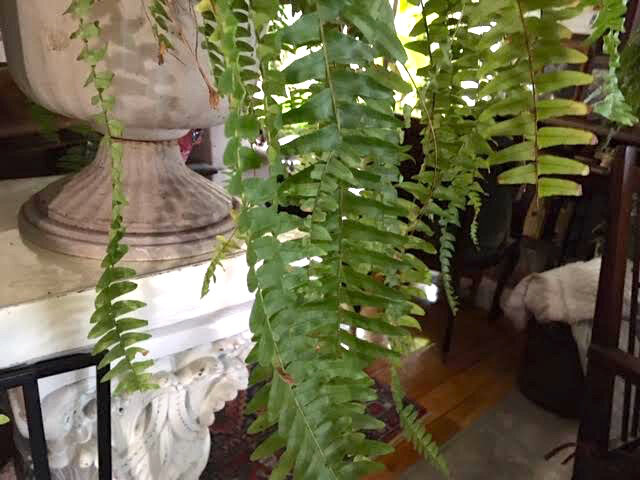
Leaflets from one of my ferns wintering over inside in my dining room. (Photo by Charlotte Ekker Wiggins)

Leaflets from one of my ferns wintering over inside in my dining room. (Photo by Charlotte Ekker Wiggins)

Christmas Ferns

When we think of Christmas, we may think of model trains, eggnog, being with family but I doubt you think of a fern.

Tropical ferns are often offered for sale late fall for inside winter plants. Or they get tossed after a full season in the garden because people don’t want to mess with the dropped leaves when they are in dry conditions.

The tropical ferns are relatives of the ones we have growing naturally in Missouri. You probably have walked by them on a nature trek. You certainly have driven by them along shady Missouri country roads because I have. They are native Polystichum acrostichoides one of the few plants that hold on to their color through cold, sleet and snow.

Also known as Christmas and Holly Ferns, these plants are remnants of dinosaur days, which comes to mind most of the times I see these plants. I I find that pretty awesome. And is something I think about now quite often since I love their green fullness and have them scattered through my house overwintering. Yes, they do drop leaves. Yes, my cats love to play among their drooping leaflets. What is even more mind boggling is that these plants lived before there were bees, butterflies and other pollinators. So how did these plants reproduce?

Ferns like moisture so it’s a challenge to keep a house humidified in winter. (Photo by Charlotte Ekker Wiggins)

Ferns like moisture so it’s a challenge to keep a house humidified in winter. (Photo by Charlotte Ekker Wiggins)

Most of these ferns have two types of leaves: ones that produce spores underneath and ones that don’t produce any spores. The leaves with spores are smaller than the larger, sterile leaflets. The larger ones as the ones that last through winter hugging the ground.

If you look closely, the fern’s lance-shaped leaflets are spiny-toothed with briste tips, which is where they get their comparison to holly leaves.

Spores on the back of leaflets is how ferns reproduce. (Photos by Charlotte Ekker Wiggins)

Spores on the back of leaflets is how ferns reproduce. (Photos by Charlotte Ekker Wiggins)

Underneath, the spore clusters are in neat rows of circular, umbrella-like structures. The spores get carried off by wind and water, which partially explains why these plants are found in shady, moist soil.

According to Missouri Department of Conservation, when the spores germinate, they become tiny, flat, green heart or kidney-shaped plants that produce eggs and sperm. ‘the sperm has to swim to reach eggs so water must be present for fertilization. T”he fertilized eggs then develop into another sporophyte plants and the cycle starts all over.

The leaves are not edible. Their role in the ecosystem is more to prevent erosion and stabilize slopes, which is where they are often found. Unless they are sitting in my den and dining room, wintering over until they can go back outside during the growing season.

I have them in hanging and decorative pots on casters so I can easily move them into shade. Or next to a dinosaur, whichever comes first!

Charlotte

Tree Spikes

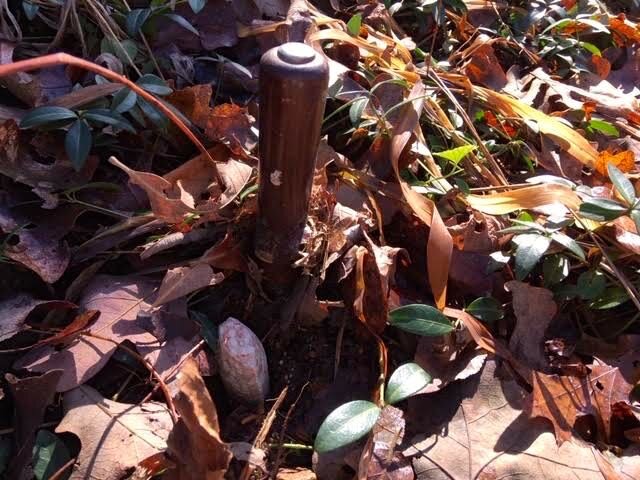
A weed remover makes adding fertilizer spikes easy after a good fall rain. (Photo by Charlotte Ekker Wiggins)

A weed remover makes adding fertilizer spikes easy after a good fall rain. (Photo by Charlotte Ekker Wiggins)

Tree Spikes

No, I’m not talking about anything metal. These tree spikes are time released fruit tree fertilizer shaped into a spike. They come with a small plastic top one is supposed to place on the blunt side of the spike, then it is pushed into the ground by pounding the plastic.

Tree spikes are a bit controversial. Because they are concentrated in one spot once placed in the ground, tree roots may not have access to the fertilizer nourishment evenly. A granular fertilizer will provide more even fertilizer along the tree drip line, more evenly encouraging root growth.

However.

I garden on a Missouri limestone hillside. The chances that my granular fertilizer will stay in place long enough to integrate with the soil in spring during heavy spring rains is pretty low to poor. Even so, I will spend a good day in spring making small trenches around the dwarf fruit trees and giving them a good supply of compost to feed them through the upcoming growing season.

In fall, I hedge my bets by placing fruit tree spikes around my fruit trees. With the ebb and flow of fall temperatures and rain, the fruit spikes will decompose and integrate themselves into the soil. The trees are dormant but these should provide my fruit trees with a good start next spring.

Push the tree spike in next to the weeder, then push into the ground. (Photo by Charlotte Ekker Wiggins)

Push the tree spike in next to the weeder, then push into the ground. (Photo by Charlotte Ekker Wiggins)

In other words, the tree spikes won’t be carried down the hill in the next fall rain.

I use these mostly for my young dwarf fruit trees. They need all of the help they can get in my garden to get strong roots established so they can grow next spring.

Charlotte

December Gardening Chores

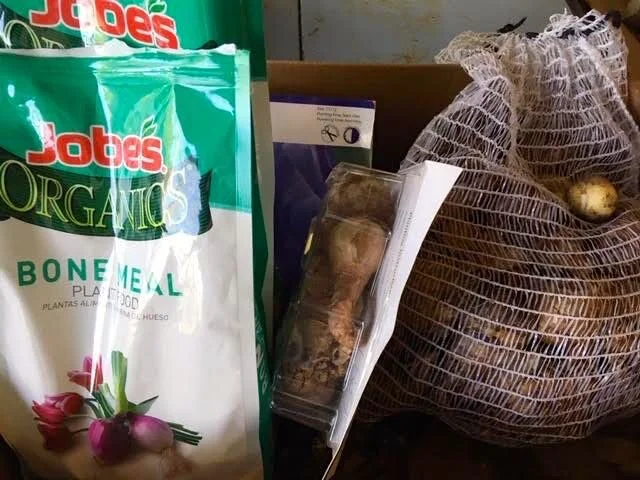
Time to get my last spring bulbs in the ground with a sprinkle of bone meal. (Photo by Charlotte Ekker Wiggins)

Time to get my last spring bulbs in the ground with a sprinkle of bone meal. (Photo by Charlotte Ekker Wiggins)

December Gardening Chores

The ground where I live in USDA Hardiness zone 5b is still workable early December so I am hoping the moisture will replenish depleted water tables and still let me do a little last-minute garden work. We had record cold temperatures last month for a couple of days and, by the third day, I was bundled up and trying to get some garden work done. If this winter is as bad as forecast, it’s going to be a very long cold few months for me, love being in my garden; garden dreaming about it when I can’t.

I still have some spring garden bulbs to get in the ground. Sprinkled with bone meal in the hole before placing the bulb, these new garden additions will be fun to see in bloom in only a few months.

Get broken branches and limbs trimmed before ice hits, or before someone runs into them visiting for the holidays. You know where they are but people new to your property are bound to run into them.

 As soon as a hard frost hits, it will be time to mulch. Mulching maintains the soil at an even temperature. During winter, the point of mulching is to keep plants in hibernation. If you still have leaf piles, move those into flower beds, those will also make good mulch.

 To mulch trees, make a well around the tree trunk and leave an area the width of a tire between the tree trunk and the mulch. When mulching, don’t pile mulch up to the trunk or you will create an area for diseases. Leaving a little moat around the tree also reduces girdling.

 Have empty pots, garden carts, rakes leaning against the side of the house? It’s time to clean them off and store them for the season. The rakes, in particular, you don’t want to step on the tines and hit yourself on the side of the head.

Getting fruit tree spikes in the ground up the hill from the trees. (Photo by Charlotte Ekker Wiggins)

Getting fruit tree spikes in the ground up the hill from the trees. (Photo by Charlotte Ekker Wiggins)

A warm fall day after a rain is a good day to feed fruit trees with tree spikes. Since I live on a hill, applying fertilizer means I am feeding plants at the bottom of the hill. With tree spikes, I can insert them in the ground p hill, allowing the fertilizer to leach through soil down hill.

Leave the dry flowers for now. Birds will eat the seeds and the dry greenery will provide protection for the young shoots growing at the base of the plant.

 Did you plant mums this fall? Remember to water them every couple of weeks this first year. Once they make it through their first winter, mum roots will become established and won’t require regular watering through winter.

 If you saved seeds, this is the time to make sure they are marked and stored in a dry, cool place. Some people store them in a refrigerator. I use an old ice cooler in my garage to keep mice from snacking on the bags through winter.

 Still have trees you haven’t planted? There’s still time so get them in the ground and water well.  If you are getting a live Christmas tree, dig the hole now so you can pop it in the ground right after Christmas.

 Let tap water settle overnight before using on house plants. Tap water can be too cold and may have additives that need to evaporate before being exposed to indoor plants. I fill my recycled milk jugs and let them stand overnight before pouring on inside plants.

 Have bulbs ready to bloom through winter? Paper white narcissus, hyacinths and Amaryllis  are all good choices to bloom when it’s cold outside. The first two can also be permanently planted outside and Amaryllis are repeat bloomers.

 Make sure to make notes in your garden diary for next year projects, I seem to remember them this time of year as I am putting things away.

 Charlotte


Carrion Flowers

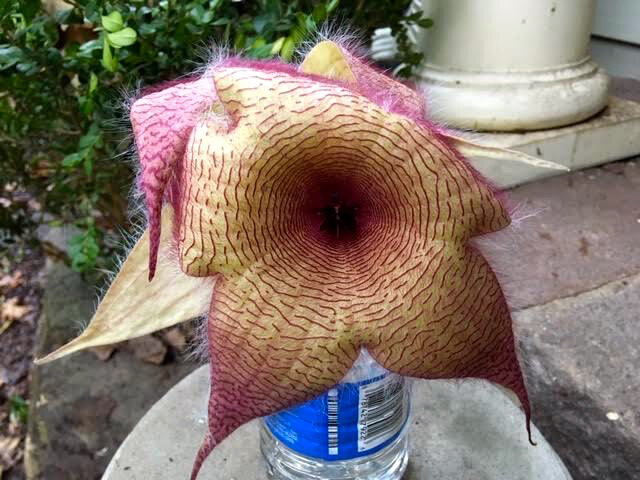
My neighbor Elaine shared a couple of her carrion flowers with me. (Photo by Charlotte Ekker Wiggins)

My neighbor Elaine shared a couple of her carrion flowers with me. (Photo by Charlotte Ekker Wiggins)

Carrion Flowers

If you have a ghoulish bent as a gardener, you probably track when botanical garden corpse flowers finally bloom. Those unusual flowers put off a scent similar to that of rotting bodies. Not one of my favorite flowers but I became fascinated when a neighbor shared a couple of her carrion flowers with me.

Carrion flowers (genus Stapelia),  include about 44 species of succulent plants of the milkweed family, native to tropical areas of southern Africa. They are named for the unpleasant carrion odor of their large flowers which attracts certain insects to pollinate the plants and lay their eggs there. A few species are cultivated as ornamentals.

The one my neighbor shared with me is one of them. What makes them different?

First, they appear to have fur.

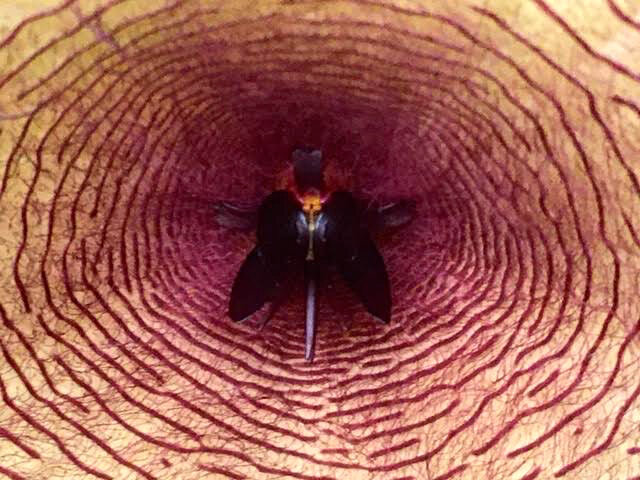
The furry water-collecting aspects of a carrion flower. (Photo by Charlotte Ekker Wiggins)

The furry water-collecting aspects of a carrion flower. (Photo by Charlotte Ekker Wiggins)

Secondly, they have a deep center well to collect rain water.

The deep center of carrion flowers collect rain water. (Photo by Charlotte Ekker Wiggins)

The deep center of carrion flowers collect rain water. (Photo by Charlotte Ekker Wiggins)

Carrion flowers have thick four-sided grooved stems, often coloured or covered with outgrowths.

The plants lack true leaves but have scales or spines.

The flowers have purple, red, or yellow bars and markings and are often hairy or textured. The colors are typical fall leaf colors, similar to the colors some tree leaves turn when autumn comes.

The fruit is a follicle.

The lovely tiny center of a carrion flower. (Photo by Charlotte Ekker Wiggins)

The lovely tiny center of a carrion flower. (Photo by Charlotte Ekker Wiggins)

So back to the scent. We may not like how it smells but the plant doesn’t care, they are trying to attract pollinators that will help them reproduce. In the case of carrion flowers, they are after attracting the second largest of the pollinators, flies.

I have one more word to say about this flower. Fascinating!

Charlotte

Saving Marigold Seeds

An old paint pan makes a nice marigold seed-drying pan. (Photo by Charlotte Ekker Wiggins)

An old paint pan makes a nice marigold seed-drying pan. (Photo by Charlotte Ekker Wiggins)

Saving Marigold Seeds

I have to confess, I fell out of interest in marigolds several years ago when the original bug-deterring plants seem to be less and less successful at keeping bugs at bay. Some bugs, like ladybugs, are good to have around. Other bugs, however, damage plants and need to be discouraged.

The reason marigolds are no longer effective is simple enough. Plant breeders have bred the insect-repelling pheromone out of some of the newer varieties, in part because some people don’ t like the unique marigold scent. I myself love the pungent scent, which is what used to make them good plants to have around vegetable gardens.

This year, a friend gave me a couple of her dried marigold plants. I was startled to note the strong scent and asked her where she had picked up the seeds. From my grandmother, she said.

As it was snowing outside, I found myself picking off the flower heads to dry. There were two marigold colors, one yellow and one all orange. Once the plants were cleaned of most of their seeds, I spread the seeds in an old paint pan to dry.

After they are all dry, I will store them in bags ready for planting next spring.

And I will share some with other gardening friends. There is little gardeners like more than free seeds.

Charlotte

Missouri Native Poinsettias

Fire on the Mountain, or wild poinsettia, growing in my hillside garden. (Photo by Charlotte Ekker Wiggins)

Fire on the Mountain, or wild poinsettia, growing in my hillside garden. (Photo by Charlotte Ekker Wiggins)

Missouri Native Poinsettias

You have probably walked by them a number of times as I have. They tend to grow with other Missouri native flowers such as dayflowers. I have stopped to get a closer look, then decided it’s not possible that a native of Mexico would be related to something growing in mid-Missouri. If you haven’t seen poinsettias at your local home and garden, you will soon, the Mexican native is a favorite holiday plant for its colorful leaves. The flowers are actually the small yellow centers.

Typical holiday poinsettias that originated in Mexico. (Photo by Charlotte Ekker Wiggins)

Typical holiday poinsettias that originated in Mexico. (Photo by Charlotte Ekker Wiggins)

Turns out I was wrong.

There are actually two Missouri native plants related to that Mexican poinsettia that do grow in Missouri. The first is commonly known as toothed spurge or green poinsettia (Euphorbia dentata). It is an annual, with toothed leaves and hairy stems. Its leafy bracts are green or white at the base. The flowers are the green round items in the center of the bracts. It grows in full sun and mesic to dry conditions.

The second is commonly known as Fire on the Mountain or wild poinsettia (Euphorbia cyathophora.) It is an annual as well with thinner leaves. It has red toward the base of the bracts and prefers sun and a moister soil.

Both of these plants are members of the Spurge family and are considered herbs.

Bees, wasps and butterflies visit them for their nectar. The sphinx moth eats the leaves of the plants. Toothed spurge is considered a weed by Missouri Extension as it often appears in pastured where it is not welcome.

How about that!

Charlotte


Such a Heel!

The start of heeling in some potted plants for winter. (Photo by Charlotte Ekker Wiggins)

The start of heeling in some potted plants for winter. (Photo by Charlotte Ekker Wiggins)

Such a Heel!

Almost like clockwork I have this conversation with myself. It’s usually when the soil is warm enough again to work, or when I am wrestling an overgrown plant still sitting in my make shift nursery.

Self, I say, I thought you said we weren’t going to do this again this year. That’s right, I will say to my self, we did but time got away from me. And off I will go to inventory what is in the nursery and where it should be planted in my Missouri hillside garden.

The saving grace is heeling the plants into my nursery. I don’t call it a make shift one anymore, it’s been there now for several years and, based on this year’s additions, may be there for awhile longer. I like it as a nursery because it’s easy to get to, has shade in the morning and some sun afternoons. Better yet, it’s full of mulch so it’s easy to make my trenches.

I did make an attempt this year to not end the growing season with plants still in pots. What was left are plants that could use another year of pot growing - tree peonies, a few native Missouri shrubs, a native cherry tree I didn’t have the heart to toss. The one remaining elderberry was plopped into the ground on the last day of fall temperatures in the 60s. I had the spot picked out months ago, just didn’t get to dragging the big pot to the spot.

So heeling plants in was designed for gardeners like me. It’s a simple way to get planted, or bare rooted plants, through winter without planting them in their permanent spots. I have been heeling in potted plants although you can also get bare rooted plants through winter with this as well.

If bare rooted, make sure the plants are well-hydrated. I leave them in a small pond to absorb water for a day before tucking them in.

Pink blueberries purchased on sale are spending winter in my nursery. (Photo by Charlotte Ekker Wiggins)

Pink blueberries purchased on sale are spending winter in my nursery. (Photo by Charlotte Ekker Wiggins)

Potted plants can be plopped in just as they are although I do give them a long drink of water as well.

Next, build a nice trench as deep and wide as the pots. Add the pots at an angle and cover them with soil. I also dump a load of mulch on top to give them an extra blanket. If planting bare root plants, also place them horizontal to the ground with their roots tucked at an angle. Cover.

On the next warm day, check that they have moisture but don’t disturb until you plan to move them to their final spot.

Now in the past, my blackberries, a pot of strawberries and a wisteria have taken matters into their own leaves and sprouted new plants outside their pots. I did mention that I have left a couple of plants in the nursery too long, haven’t I?

I was fine with the extra blackberries but now I am wondering about planting the wisteria. I would rather not have a repeat of the trumpet vines I planted several decades ago and now spend a slice of spring trying to remove.

Besides running out of time, heeling in works well for those end of season plant sales when you pick up some starts at excellent prices. As long as they have been outside all season, they should do well settling into your well-heeled plant nursery.

Charlotte

November Gardening Chores

Fall is all about extra garden color, like this lovely plum accent from a pink dogwood. (Photo by Charlotte Ekker Wiggins)

Fall is all about extra garden color, like this lovely plum accent from a pink dogwood. (Photo by Charlotte Ekker Wiggins)

November Gardening Chores

Snow was back in the forecast for Halloween this year but we are still waiting for a white dusting in mid-Missouri USDA Hardiness zone 5b/6a. I survived moving all of my potted plants inside but just barely, had to escort the usual hijackers back outside – praying mantis, lizards, several garden spiders.

Now that we are all settled inside, I am still moving potted plants around to give them optimum light conditions. My heat is on so leaves are dropping early, especially the ferns. It’s going to be a long winter.

Tree leaves have also been making their way onto flower beds for mulch and a layer that hopefully decomposes into soil over the next few years. I will be adding wood chips from our local recycling center after the first hard frost.

If you want to plant, or move trees, this is a good time. I prefer planting into final spots in spring so my seedlings are now in pots and heeled into the nursery garden bed. That will give me all winter to decide on their final destination.

Fall is the time to save seeds for next year. Here I am collecting garlic chive seeds. (Photo by Charlotte Ekker Wiggins)

Fall is the time to save seeds for next year. Here I am collecting garlic chive seeds. (Photo by Charlotte Ekker Wiggins)

It’s been very dry so remember to water. An inch a week is a good measure, especially for woody plants, such as azaleas and evergreens. When watering, check for damaged branches and remove. Once winter ice moves in, the ice will cause more damage than necessary on those weak and damaged limbs. I take pruners with me so I can also trim out suckers and branches that are too long, especially along where I regularly walk. No point in putting that off until later when the ground is covered in ice and snow.

If you haven’t done so already, this is a good time to empty most of your composters. Most likely candidates to get the new rich soil amendment include asparagus and strawberry beds.  I also added compost to my deck pots to get them ready for my next crops. I still have red onions growing so I may scatter some lettuce and spinach seeds.

Still need to mound my rose crowns with 6 inches of soil or so before the first frost. I have mounds of mulch already piled nearby to scatter on the plants after I add a layer of leaf mulch for extra insulation.

My purple coneflowers bloomed well this year so I have trimmed a few seed heads to plant in my nursery bed next year. The rest I leave for winter bird food.

Have grass to mow? You should be on the downside of the mowing season. Make the last cut when you see grass has stopped growing. Let clippings lie where they’ve been cut to restore Nitrogen to the soil. Have fun mowing over the leaves to shred and move them to flower beds.

Don’t forget to stop and enjoy the fall colors. Trees, shrubs and some perennials take on a different color in fall, changing gardens into new, sometimes surprising color palettes. Take note of something you like and plant more next year.

Ok, it can snow now.

Charlotte

Ladybugs Winter Shelter

This is a homemade ladybug house my brother sent me one year for Christmas.

This is a homemade ladybug house my brother sent me one year for Christmas.

Ladybugs Winter Shelter

My one-acre limestone hillside garden has been chemical-free for decades so I have a pretty busy garden ecosystem that includes native ladybugs. One Christmas my brother sent me a couple of ladybug houses to encourage more ladybugs.

Excited to have the new housing, I did some research to find out how best to set them up. Besides placing them low to the ground, I found out I needed to fill them with leaves, which is where ladybugs like to winter over.

Ladybugs winter over in leaf litter so ladybug houses need leaves inside to encourage tenants.

Ladybugs winter over in leaf litter so ladybug houses need leaves inside to encourage tenants.

Now my ladybug house is ready to welcome native ladybugs looking for housing.

Now my ladybug house is ready to welcome native ladybugs looking for housing.

One of my neighbors has a house full of ladybugs but it turns out they are not the welcomed kind. She has the Asian ladybugs, a cousin of the native ladybugs. Can you tell the difference?

Native ladybug or Asian ladybug? See the M on the head? This is an Asian lady beetle.

Native ladybug or Asian ladybug? See the M on the head? This is an Asian lady beetle.

There are more than 400 native ladybugs in North America but they are harder to find as invasive species like Asian ladybugs move in, according to the Xerxes Society.

For more tips on gardening, beekeeping, cooking and easy home decor, subscribe to my weekly Garden Notes.

Charlotte

Bringing Plants Inside

Tropical and potted annuals lining up to get trimmed or moved to the compost pile. (Photo by Charlotte Ekker Wiggins)

Tropical and potted annuals lining up to get trimmed or moved to the compost pile. (Photo by Charlotte Ekker Wiggins)

Bringing Plants Inside

It is that time of year when I have to go through my tropical and potted plants and make a difficult decision: which ones will spend winter inside and which ones will head to the compost pile.

I confess, this is hard for me. I want to keep all of them, even the scraggly struggling ones, I just know if I had another couple of months I could get them to be full and beautiful again.

And no, the scraggly ones don’t necessarily get tossed. The deciding factor tends to be available space and what lighting the plant needs. If I can’t give it what it requires, I won’t make it struggle for a few months before i have to toss it out, better to do it now.

To get my potted plants ready for the move inside:

  1. Trim each plant of excess growth.

  2. Check for bugs; treat.

  3. Remove top 2 inches of soil; replace with new potting soil.

  4. Separate into lighting requirement piles.

  5. Clean bottom dish.

  6. 6. Add castors to bottom of heavy plants.

  7. Shake to remove hitchhikers.

Most of my plants have been with me for a number of years so they have favorite wintering spots already reserved. It’s the newcomers that I struggle with sneaking in, especially if they are small. The larger potted plants can easily take up most of the sunny window space, leaving the shorter plants struggling.

To help the smaller varieties, I use pot stands I pick up during the year. The stands elevate the smaller plants off the ground giving them closer exposure to winter sunlight.

I do - grouse is a good word - as I move furniture and accommodate my green guests. My cats enjoy finding hitchhikers among the branches but I would rather not be greeted by a lizard, or more commonly a frog, sitting on my kitchen counter.

And, wait until that first heavy snowfall when the temperatures are in the single digits and I’m warm and surrounded by flowering greenery. That makes it all worthwhile!

Charlotte

October Gardening Chores

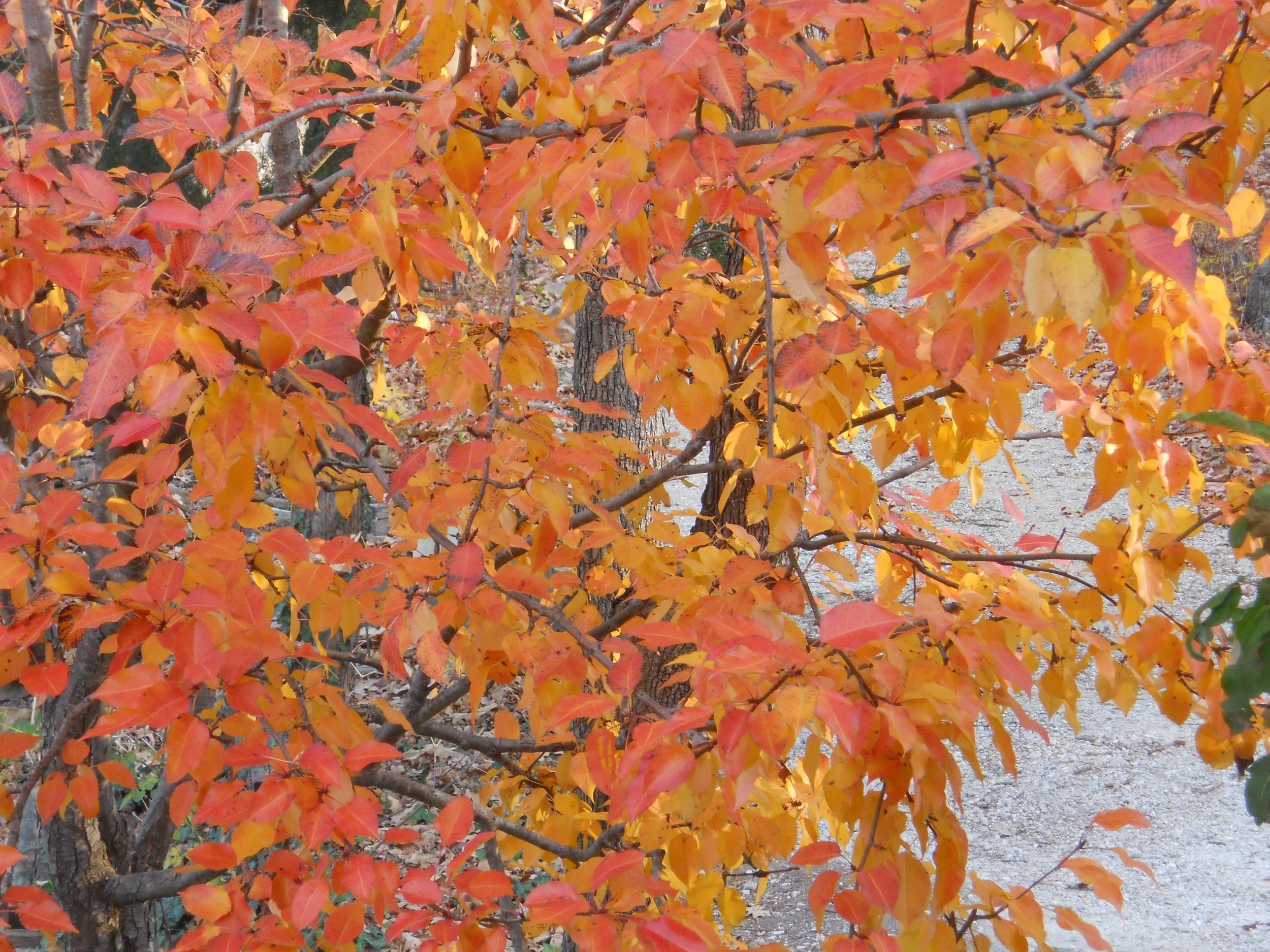
My native dogwoods are turning red, kicking off the display of fall color. (Photo by Charlotte Ekker Wiggins)

My native dogwoods are turning red, kicking off the display of fall color. (Photo by Charlotte Ekker Wiggins)

October Gardening Chores

Looks like we are going to have a long fall again this year. Besides the active sports season, forecasts this year for the peak of fall color are a good 3 weeks behind previous years, although we shouldn’t be in too much of a hurry to launch into winter. The winter forecasts are for a rough few months including seven major storms for USDA Hardiness zone 5b/6a.

I am gearing up to winterize my hillside garden, from trimming plants that will be coming inside to mulching flower beds. This year, I am also stashing away items for my winter kitchen.

1. Pick herbs before they have flowered to capture the full flavor. Wait until after they have flowered and cut the new herb sprouts to dry for later use. Except for basil.

2. Besides harvesting, this is the time to freeze extras for later use.

3. Start pruning and checking for any hitchhikers on plants that are coming inside for winter. To cut down on leaf drop, bring plants in a month before turning on the heat, which is usually early October.

4. For single plants in separate pots, consider combining them, watering well and then bringing them inside. Even if they only last for a couple of months, they will help to extend the growing season.

5. Water. Perennials, established trees, evergreens and azaleas need one inch of water a week. Water into the ground so the water hydrates plant roots. Keep watering until our first hard frost. For our part of the country, that usually around Halloween.

My little garden flags help me keep track of passing time. (Photo by Charlotte Ekker Wiggins)

My little garden flags help me keep track of passing time. (Photo by Charlotte Ekker Wiggins)

6. Stop fertilizing and pruning. Wait until January-February after the plants are dormant and you can better see their form.

7. If you have trees with fungus or other issues, collect those leaves and burn or bury into the ground. I leave most of my leaves on flower beds except for diseased ones, don’t want to spread that fungus. Those I bury in the ground.

8.If you haven’t cleaned up flower beds of spent plants, here’s your last chance to gather seeds. Leave some for the birds, they will eat them over winter. Leave the rest to clean up in spring. By then, most of the greenery will have broken down and become part of the garden mulch.

9. Plant spring bulbs. Add a little bone meal at the bottom of the hole to slowly feed the bulbs. Plant bulbs close together if you don’t mind digging them up in a couple of years to separate. If you would rather not, give them more space in between. Mark where you planted them so you don’t dig them up next year when planting something else.

10. Leave the falling leaves where they are. If you are worried about your grass, run the mower over them. Leaves return Nitrogen to the soil and make a wonderful amendment to flower beds and help retain moisture.

11. Plant trees and bushes; make sure to water daily until frost.

12. Stop long enough to enjoy the beauty of fall as leaves turn, native plants bloom and temperatures turn crisp and cool. A hot cup of tea with fresh honey sounds good about now!

Charlotte