When Will Trees Change Color?

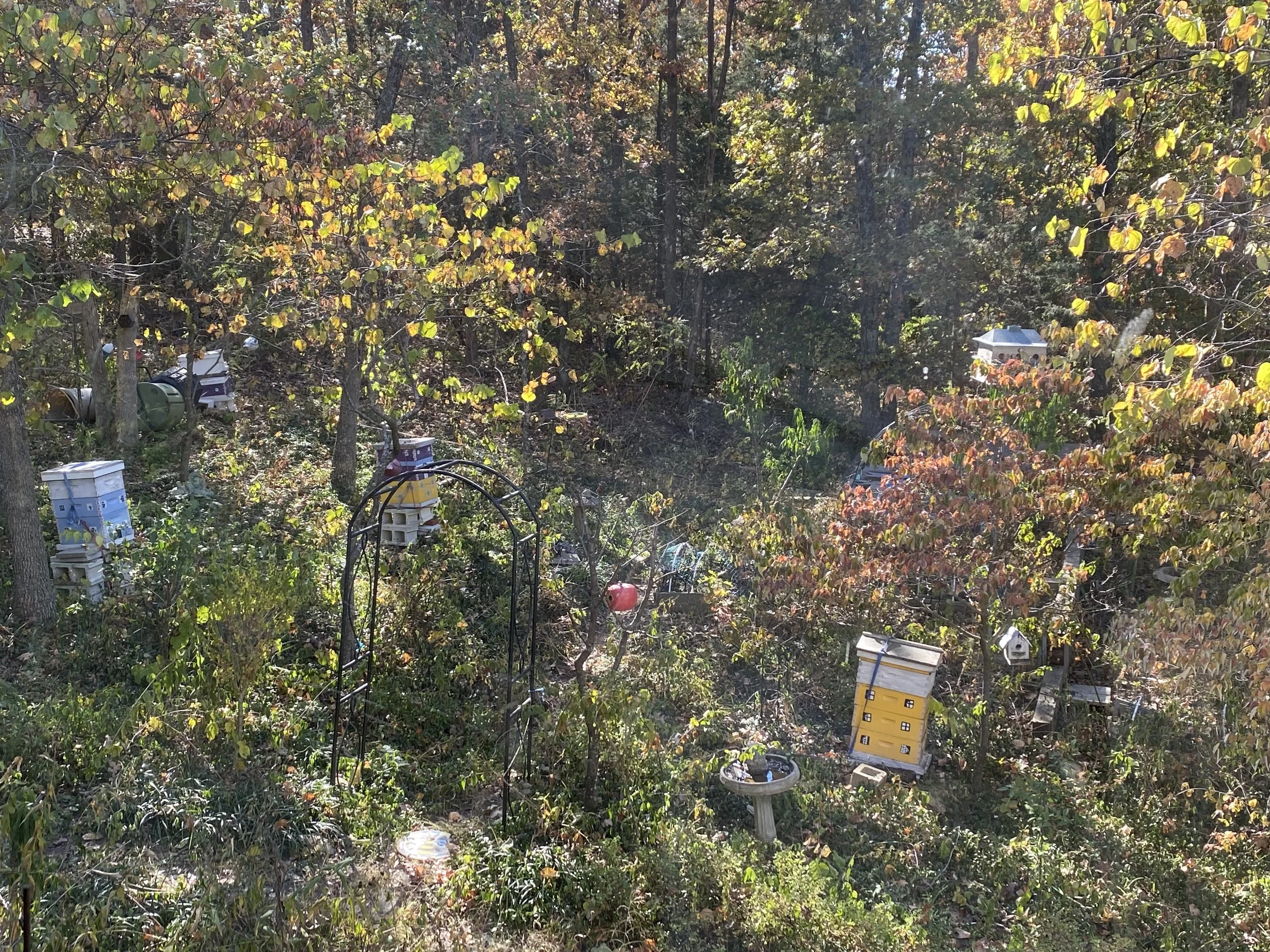
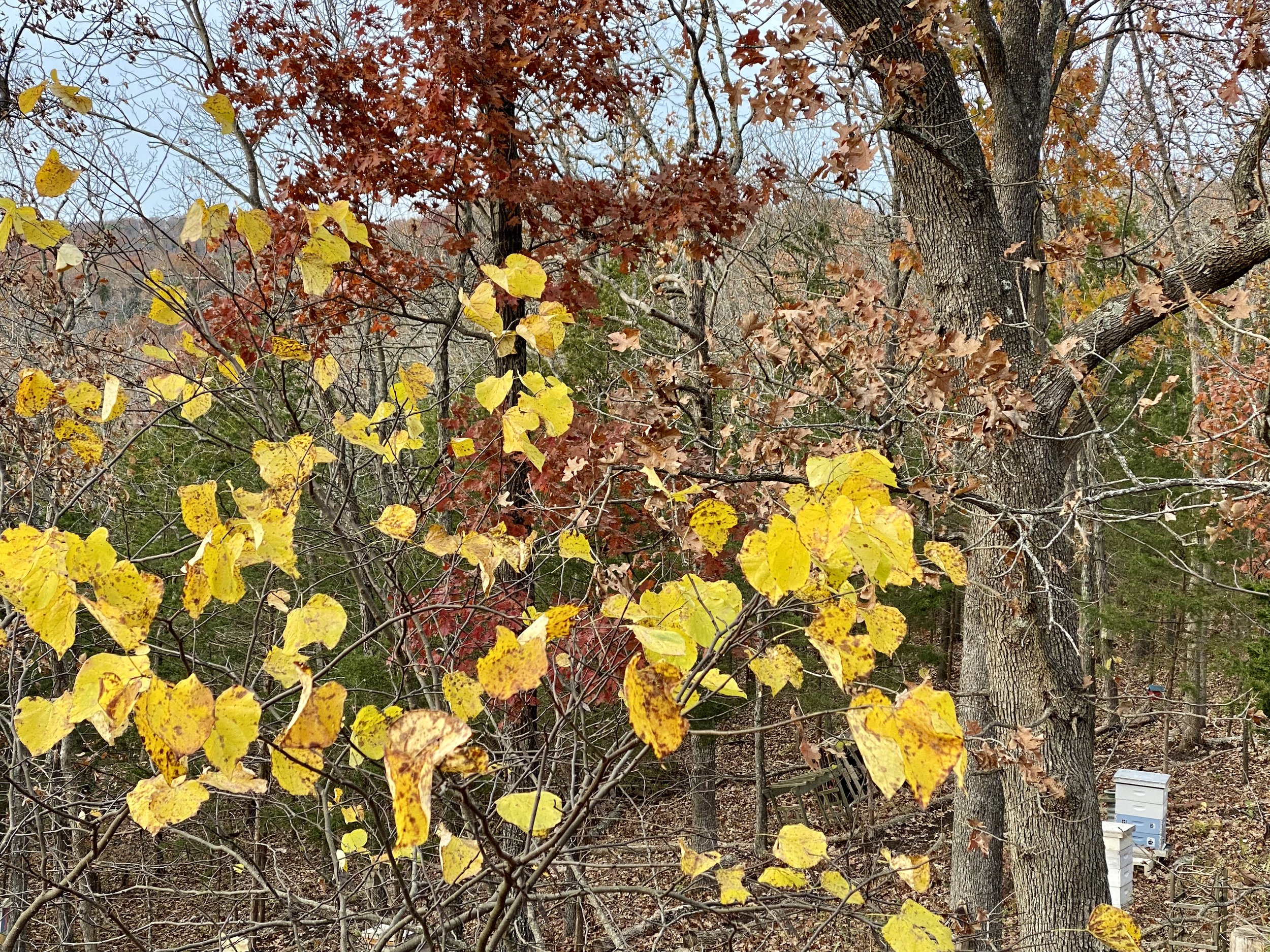
eastern redbuds are yellow, the reddish trees are native dogwoods. (charlotte ekker wiggins photo)

When Will Trees Change Color?

You’re not wrong. The traditional fall tree leaf color changing in USDA zone 6b is behind schedule this year. A dry summer and early fall have delayed the usual burst of reds and golds. When trees don’t get enough rain, they hold onto green leaves longer while conserving energy — then drop them quickly once cooler nights arrive.

Drought stress also dulls the pigments that create brilliant reds and purples. Without steady moisture, leaves produce fewer sugars, which means less of that deep crimson glow we look forward to each October. Add lingering warmth and bright sun, and leaves may scorch or turn brown instead of transforming through the full color range.

The best fall color comes after a well-watered summer followed by sunny days and crisp, cool nights. This year’s dry conditions have muted the palette, but if we get a little rain soon, late-turning oaks, hickories, and maples may still surprise us with a soft, golden encore.

What to Watch For Next

Even in a dry year, a few native trees and shrubs hold out for late color:

  • Black gum (Nyssa sylvatica) – Often turns deep red or wine-colored even in dry years.

  • Sugar and red maples – May still flash orange and gold if rain returns mid-October.

  • Hickories – Their steady golden tones linger well into November.

  • White oak – Slow to turn but may glow bronze or reddish-brown late in the season.

  • Sumac and dogwood – Shrubs often show rich scarlet hues when other plants have faded

Water New Native Plantings

Keep young and newly planted trees watered until the ground freezes. Even a couple of deep soakings before winter helps roots store moisture and reduces stress for next spring’s growth — and maybe next year’s brighter fall color!

So, while fall color arrived late and may not be as vivid this year, nature still has a few bright notes left to play before winter settles in.

For more tips on gardening, beekeeping, cooking and easy home decor, subscribe to my weekly Garden Notes.

Charlotte
Peak of Fall Color

Yellow Eastern Redbuds against orange oaks in my apiary. (Photo by Charlotte Ekker Wiggins)

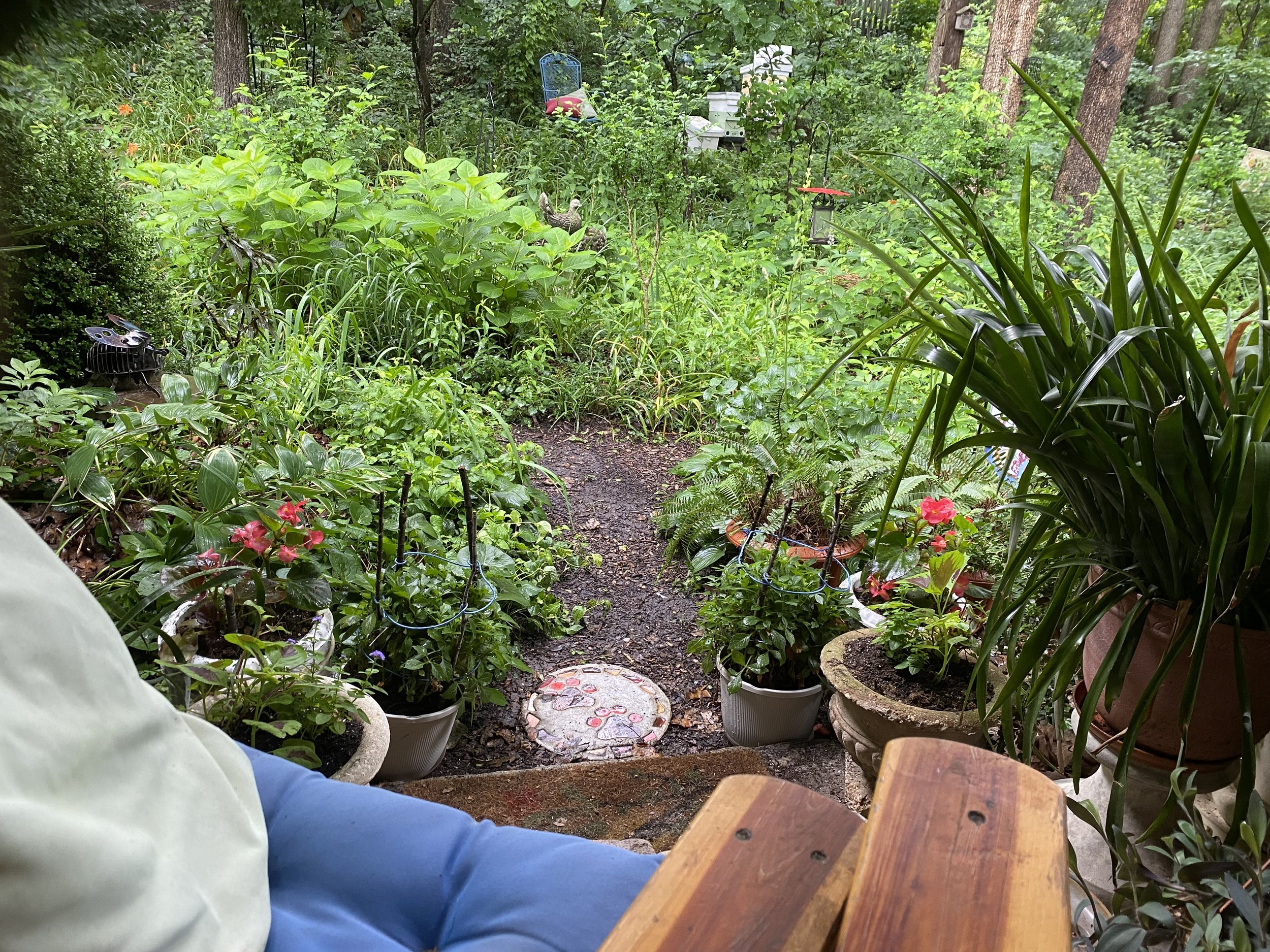
The front of my garden with dogwoods turning red, one of my favorite fall colors.

The front of my garden with dogwoods turning red, one of my favorite fall colors. (Photo by Charlotte Ekker Wiggins)

Peak of Fall Color 

I miss some of the calls, people wanting to know when fall colors will reach their peak. It was a yearly project where I used to work.

It started with my trying to convince silviculture experts in August to “guess” at what kind of fall colors we would have later that year. After getting through the long lectures on how tree leaves change color and why guessing was not a scientific approach, we would end up back at the original question.

Some would ignore my follow-up calls. Others would get into the spirit and wax poetic, even going so far as to sharing what their favorite fall tree was. It was still dicey to get them to commit to a prediction but I could waffle around some of what they said. These are precise people. If you have never tried to convince a scientist to make an educated guess, trust me, it’s a fine art.

I was thinking about those conversations earlier this week as I was walking through my garden, trying to guess what trees were turning based on their fall leaf color:

·       Dogwoods are easy, they turn a variety of reds and tend to stand out against other fall colors.

·       Hickories are yellow. So are oaks, which turn yellow, orange and brown, depending on their unique species.

·       I don’t have peachy sugar maples but there are enough around town to enjoy them as I drive by.

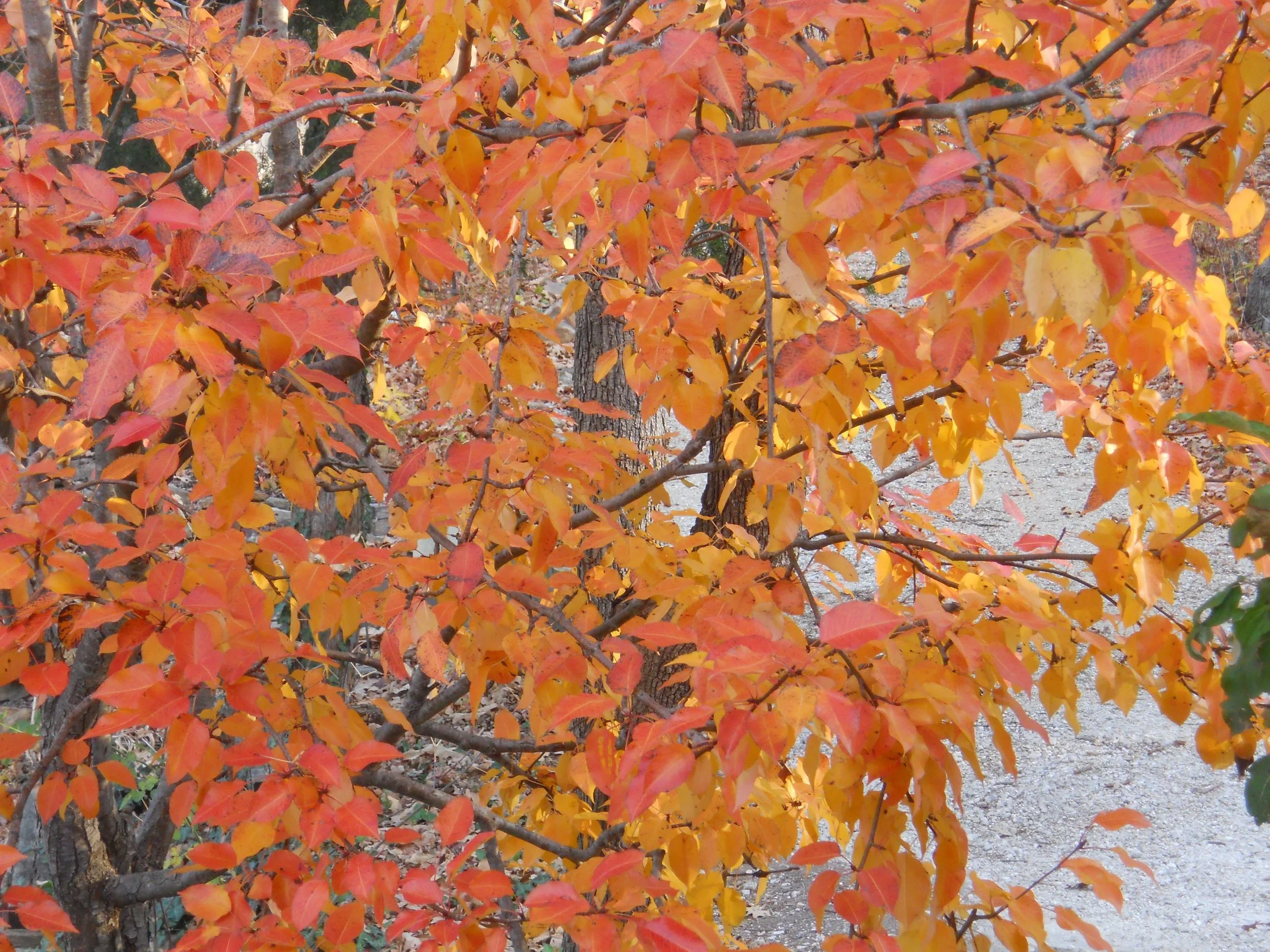
Bartlett Pear trees turn peachy colors in the fall. (Photo by Charlotte Ekker Wiggins)

Tree leaves are not the same color in the other of the four seasons. We just don’t see them until a change in light and temperature triggers the decline of green chlorophyll to let colors shine through.

Leaves are fascinating solar-powered factories that produce most of the food trees need. Leaves contain chlorophyll, which absorbs sunlight and turns carbon dioxide and water into carbohydrates, such as sugars and starch. Hidden in those leaves are yellow to orange pigments, which also give carrots and pumpkins their color. 

In fall, changes in daylight and temperature signal trees to stop producing food. Chlorophyll breaks down, the green color disappears, and the yellow to orange colors become visible.

As leaves undergo other chemical changes, additional colors appear, such as red anthocyanin pigments. Those pigments give leaves their reddish to purplish colors, while sugar maples show peach and orange. All these colors are due to the mixing of varying amounts of chlorophyll residue and other leaf pigments.

One of the reasons guessing the peak of fall color is not easy is that temperature, light, and water supply all have an influence on fall color degree and duration. Low temperatures above freezing will favor trees producing anthocyanin. Early frost will weaken the brilliant red color. Rainy and overcast days sometimes increase fall color intensity. Rainy days can also mark the immediate end of fall colors when wind blows leaves off.

Fall colors move from north to south, usually reaching their peak in mid-Missouri in mid to late October.

Don’t worry about when it will peak, it changes daily so sit back and enjoy the show! 

Charlotte